

Introduction
Understanding the intricate world of a dog’s inner life, often referred to as the dog psyche, is paramount for any devoted pet owner. This term encompasses the mental and emotional landscape of canines, delving into their thoughts, feelings, perceptions, and motivations. A grasp of the dog psyche helps explain why dogs behave the way they do, whether it involves joyful greetings, anxious pacing, or a sudden display of fear. Without this insight, behaviors might be misinterpreted, leading to frustration for both the dog and its human companion. By comprehending the dog psyche, owners can foster a more harmonious living environment, address behavioral challenges effectively, and significantly enhance their dogs overall well-being and quality of life. This deeper understanding paves the way for stronger bonds and more fulfilling relationships.
💡 Pet Care Key Takeaways:
- Core Focus: Practical health, nutrition, and wellness guidelines for Dog Psyche.
- Target Scope: Pet owners, animal caregivers, and veterinary support staff.
- Best Recommendation: Maintain consistent daily routines and consult an accredited veterinarian before introducing major diet or medical changes.
Common Causes and Key Factors
The complex fabric of the dog psyche is influenced by a multitude of interconnected factors. Recognizing these elements is crucial for interpreting canine behavior accurately. For more related activities, check out our Dog Uti Behavior Change.
Genetic Predispositions and Breed Traits: A dog’s breed plays a significant role in shaping its natural instincts and temperament. Herding breeds, for instance, possess an innate drive to gather; retrievers are predisposed to carrying objects; and terriers often have a strong prey drive. These inherent tendencies are fundamental components of a dogs psyche and dictate much of its behavioral expression.
Early Life Experiences and Socialization: The formative weeks and months of a dog’s life are critical. Proper socialization during puppyhood, involving exposure to various sights, sounds, people, and other animals, helps build resilience and confidence. Insufficient or negative early experiences, such as trauma or isolation, can lead to deep-seated anxieties, fears, and reactivity that profoundly impact the dog psyche throughout its life.
Environment and Lifestyle: A dogs immediate environment and daily routine significantly affect its mental and emotional state. Stressors like loud noises, inconsistent schedules, lack of mental stimulation, or an unstable home environment can contribute to anxiety, frustration, or even depression. Conversely, a predictable, safe, and enriching environment promotes a balanced and confident dog psyche.
Health and Physical Well-being: Physical health directly influences mental health. Pain, illness, hormonal imbalances, or age-related cognitive decline can manifest as behavioral changes, such as irritability, lethargy, house-soiling, or increased anxiety. Addressing underlying health issues is often the first step in resolving behavioral concerns related to the dog psyche.
Learning and Training History: The methods used in training and the clarity of communication between a dog and its human shape its understanding of the world. Consistent, positive reinforcement training builds confidence and trust, whereas harsh or inconsistent methods can create fear, confusion, and resistance, adversely affecting the dog psyche.
Signs and Symptoms to Observe
Observing a dogs behavior carefully provides invaluable clues about its emotional and mental state. Changes in established patterns often signal shifts within the dog psyche that warrant attention.
Behavioral Indicators:
- Anxiety and Fear: Manifests as pacing, whining, excessive licking, hiding, panting without exertion, destructive chewing, or inappropriate urination/defecation. Dogs may also display avoidance behaviors, such as refusing to enter certain rooms or interact with specific individuals.
- Aggression: Can range from growling and snapping to biting. Types include fear aggression, territorial aggression, possessive aggression, or redirected aggression. Understanding the trigger is essential.
- Lethargy or Depression: A noticeable decrease in activity levels, loss of interest in toys or walks, changes in appetite, or excessive sleeping can indicate a troubled dog psyche.
- Obsessive or Repetitive Behaviors: Tail chasing, flank sucking, excessive barking, or compulsive licking can be coping mechanisms for stress or boredom.
- Changes in Social Interaction: A previously friendly dog might become withdrawn or irritable with family members or other animals, while an aloof dog might become clingy.
Physical Cues:
- Body Language: Tense posture, tucked tail, flattened ears, yawning (out of context), lip licking, averted gaze, or “whale eye” (showing the whites of the eyes) are often signs of stress or discomfort.
- Appetite and Thirst: Significant changes in eating or drinking habits can be a physiological response to stress or an indicator of an underlying health issue affecting the dog psyche.
- Sleeping Patterns: Restlessness at night, difficulty settling, or conversely, excessive sleeping during the day.
These signs can vary depending on a dogs age, breed, and individual personality. For example, a young, under-socialized puppy might exhibit fear more overtly than an older, more stoic dog. Senior dogs experiencing cognitive decline may display new anxieties or confusion, impacting their accustomed daily routines.
Practical Solutions and Management Strategies
Addressing challenges within the dog psyche requires a holistic approach, often combining lifestyle adjustments, consistent training, and environmental enhancements. Practical strategies can significantly improve a dog’s mental and emotional well-being.
Enriching the Environment: Provide a stimulating environment that caters to a dog’s natural instincts. This includes interactive puzzle toys that require problem-solving to dispense treats, sniff mats for engaging their olfactory senses, and safe chew toys for healthy outlet for energy. Creating a designated “safe space” where a dog can retreat from stressors offers a sense of security.
Consistent Training and Positive Reinforcement: Implement clear, consistent training using positive reinforcement methods. This builds trust and helps a dog understand expectations, reducing anxiety. Short, engaging training sessions can mentally stimulate a dog and reinforce desired behaviors. Focus on teaching foundational obedience cues and gradually introduce new commands to keep the dog’s mind active.
Structured Routine and Predictability: Dogs thrive on routine. Establishing consistent feeding times, potty breaks, exercise schedules, and quiet periods can create a sense of predictability and security. This reduces uncertainty, which is a common source of stress and can positively impact the dog psyche.
Adequate Physical Exercise: Ensure a dog receives appropriate physical activity tailored to its breed, age, and health. Daily walks, runs, or play sessions help expend excess energy, reduce stress, and promote physical health, all of which contribute to a balanced dog psyche. High-energy breeds require more vigorous activities to prevent boredom and destructive behaviors.
Mental Stimulation: Beyond physical exercise, mental engagement is vital. Activities like scent work, teaching new tricks, practicing advanced obedience, or even rotating toys to maintain novelty can challenge a dog’s mind and prevent boredom-related issues that can negatively affect the dog psyche.
Balanced Nutrition: A high-quality, balanced diet supports overall physical health, which in turn influences mental well-being. Some dietary supplements, such as omega-3 fatty acids, can support brain health and may have a calming effect on some dogs.
Stress Reduction Techniques: For anxious dogs, consider calming aids such as pheromone diffusers, thunder shirts, or calming supplements. Creating a quiet, undisturbed retreat during stressful events (e.g., thunderstorms, fireworks) can also be highly beneficial.
When Professional Help May Be Needed
While many behavioral issues can be managed with consistent home interventions, certain situations warrant the expertise of professionals. Recognizing these thresholds is a responsible aspect of dog ownership.
Persistent or Escalating Issues: If behavioral problems related to the dog psyche do not improve or, worse, intensify despite diligent application of management strategies, professional guidance becomes essential. This includes ongoing anxiety, separation distress, or compulsive behaviors that disrupt a dogs quality of life.
Aggression or Safety Concerns: Any display of aggression that poses a risk to humans or other animals should prompt immediate professional consultation. Aggressive behaviors can escalate rapidly and require specialized intervention to ensure safety and modify the underlying issues within the dog psyche.
Sudden or Unexplained Behavioral Changes: A sudden shift in a dog’s personality, such as an outgoing dog becoming withdrawn, or a calm dog becoming agitated, often signals an underlying problem. This could be medical or a significant shift in the dog psyche requiring diagnosis.
Suspected Medical Conditions: Before attributing behavioral changes solely to the dog psyche, a veterinary check-up is crucial. Many medical conditions, including pain, thyroid imbalances, or neurological issues, can manifest as behavioral symptoms. A veterinarian can rule out physical causes or provide appropriate medical treatment.
Specialized Training or Behavioral Modification: For complex behavioral challenges, consulting a certified professional dog trainer, a veterinary behaviorist, or a certified applied animal behaviorist is recommended. These experts possess the knowledge and experience to diagnose root causes within the dog psyche and implement tailored behavioral modification plans. They can provide nuanced strategies that go beyond general advice.
Conclusion
Understanding the dog psyche is a journey of continuous learning and observation, offering profound rewards for both dog and owner. By delving into the mental and emotional world of canines, owners gain invaluable insights into their behaviors, needs, and motivations. Awareness of genetic predispositions, early experiences, environmental influences, and health factors provides a robust framework for interpreting a dogs actions and emotions. Observing subtle signs and symptoms, from changes in body language to shifts in routine, allows for proactive intervention. Implementing practical solutions such as environmental enrichment, consistent positive training, and structured routines contributes significantly to a dogs well-being. Furthermore, recognizing when to seek professional veterinary or behavioral support ensures that complex issues affecting the dog psyche are addressed effectively. A deeper understanding of the dog psyche fosters not only a happier, healthier companion but also strengthens the unique and cherished bond shared between humans and their beloved dogs.
Pet Care & Wellness Overview Table
| Life Stage | Daily Activity Level | Key Nutrition / Care Focus |
|---|---|---|
| Puppy / Kitten | High (frequent short bursts) | High-protein growth diet & early socialization |
| Adult Companion | Moderate (30–60 mins daily) | Balanced maintenance nutrition & dental hygiene |
| Senior Pets | Low to Gentle (mindful walks) | Joint support (Glucosamine) & routine vet checks |
Images References



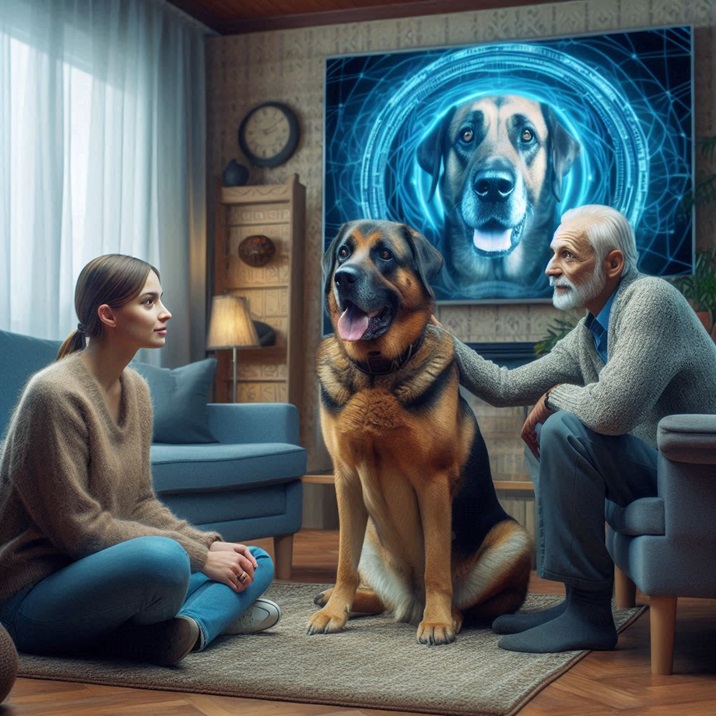





For more expert pet care tips and advice, check out our dedicated Dog Behavior guides to keep your companions healthy and happy.




