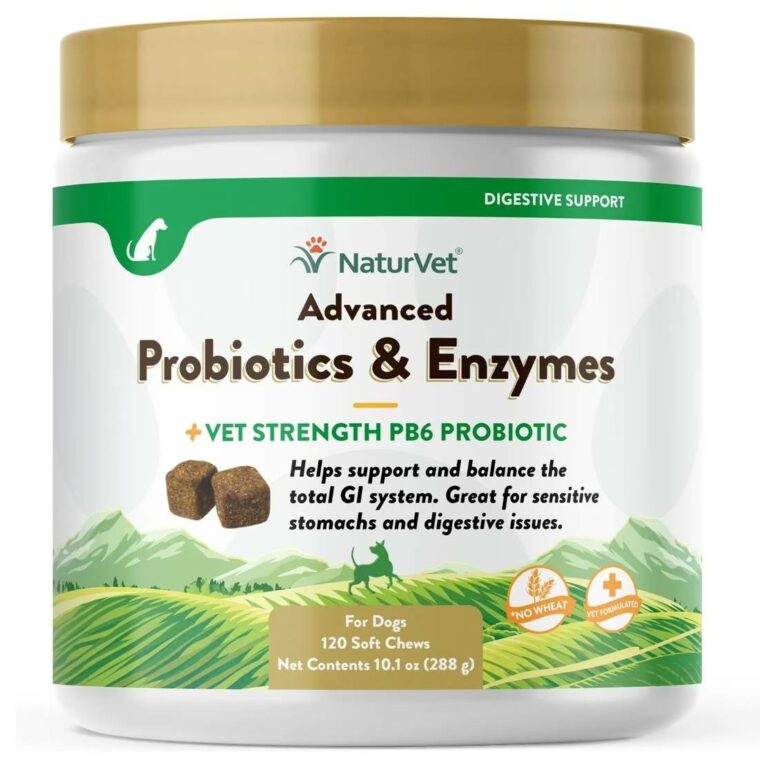
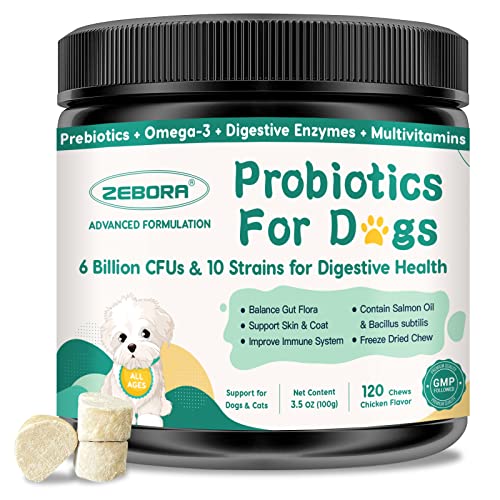
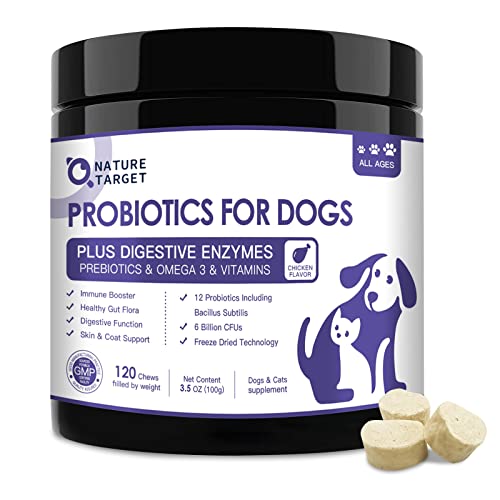
According to the American Veterinary Medical Association, canine gastrointestinal health forms the cornerstone of overall wellness, influencing everything from nutrient absorption to immune function. Walking through a veterinary clinic lobby, practitioners frequently notice that modern dogs experience sensitive stomachs, stress-induced digestive upset, and occasional bouts of loose stool. Canine digestive systems rely heavily on a delicate balance of internal microorganisms to function smoothly. When this fragile ecosystem is disrupted by dietary indiscretion, antibiotics, or environmental stressors, discomfort often follows. Incorporating beneficial bacteria into a daily routine has emerged as a leading strategy for restoring intestinal equilibrium. Understanding which options provide genuine clinical benefits requires looking closely at scientific strains and quality standards. Canine gastrointestinal support requires thoughtful planning rather than random supplementation.
💡 Pet Care Key Takeaways:
- Core Focus: Practical health, nutrition, and wellness guidelines for Most Effective Probiotics For Dogs.
- Target Scope: Pet owners, animal caregivers, and veterinary support staff.
- Best Recommendation: Maintain consistent daily routines and consult an accredited veterinarian before introducing major diet or medical changes.
The most effective probiotics for dogs are specific, live microbial strains clinically proven to survive the harsh canine acidic environment and colonize the gastrointestinal tract.
Determining the right supplement involves looking beyond clever marketing and examining the microscopic inhabitants inside the capsule. The canine microbiome refers to the complex community of bacteria, fungi, and viruses living in the gut. Effective formulas generally feature well-researched species such as Enterococcus faecium, Lactobacillus acidophilus, and Bifidobacterium animalis. Unlike generic yogurt, specialized canine supplements are formulated to withstand stomach acid and bile salts, ensuring viable organisms reach the intestines. Clinical veterinary medicine increasingly emphasizes strain-specific efficacy, meaning that one bacterial strain cannot simply substitute for another. Furthermore, companion animals benefit tremendously when these beneficial microbes are paired with prebiotics—specialized fibers that feed the good bacteria and help them thrive in their new environment. For more related activities, check out our Is Purina Calming Care A Continuous Supplement Or Temporary.
Intestinal microbial balance profoundly impacts not only nutrient absorption and stool quality, but also systemic immunity and behavioral stability.
Within clinical practice, medical professionals routinely observe a direct connection between a stable gut and a resilient immune system. Roughly seventy percent of a dog’s immune system resides within the gastrointestinal tract, making gut health a vital shield against pathogens. Additionally, the gut-brain axis—a biochemical signaling pathway linking the gastrointestinal tract and the central nervous system—means that balanced gut flora can positively influence mood and stress resilience. Dogs dealing with chronic digestive issues often display lethargy and discomfort that mimic behavioral problems. Restoring microbial harmony frequently resolves these secondary issues, leading to firmer stools, reduced flatulence, and vibrant energy levels. Proper digestive management allows pets to absorb essential vitamins and minerals efficiently, which supports shiny coats and strong joints.
Roughly seventy percent of a dog’s immune system resides within the gastrointestinal tract — American Kennel Club
Selecting and administering the most effective probiotics for dogs requires careful attention to product quality, viability, and proper storage conditions.
Navigating the supplement market can feel overwhelming given the sheer volume of available brands. High-quality products typically list specific bacterial strains alongside a guaranteed colony-forming unit count at the time of expiration, rather than manufacture. Many premium formulations require refrigeration to keep the live organisms dormant and potent until consumption. Powder packets, capsules, and chewable tablets each offer unique advantages depending on a dog’s willingness to accept supplements. Introducing any new substance should always happen gradually to prevent sudden digestive shock. Monitoring stool consistency during the first week of administration helps determine whether the chosen formula agrees with the individual animal’s system.
Avoiding common pitfalls ensures that canine gut health supplements deliver maximum therapeutic benefit without causing unexpected complications.
One frequent error involves using human supplements haphazardly without veterinary guidance. Human formulations are often engineered for human gut pH and bacterial profiles, which differ significantly from those of canines. Another mistake is failing to check expiration dates or storing sensitive powders in warm, humid areas like kitchens or bathrooms, which kills the beneficial bacteria. Owners should also remain cautious of products containing hidden artificial sweeteners like xylitol, which is highly toxic to dogs and causes severe liver failure and sudden hypoglycemia. Always inspect ingredient panels thoroughly to ensure complete safety before introducing any new nutritional supplement to a pet’s daily meals. Consistency remains essential, as intermittent administration rarely yields lasting changes in the microbiome.
Xylitol is a common artificial sweetener that causes severe hypoglycemia and acute liver failure in dogs — American Society for the Prevention of Cruelty to Animals
Breed, age, and individual health status dictate how different dogs respond to various microbial strains and delivery formats.
Certain canine breeds, such as German Shepherds and Great Danes, exhibit higher predispositions to sensitive stomachs and chronic dysbiosis. Senior dogs often experience shifting gut flora as their metabolism and immune systems age, making targeted supplementation especially beneficial during their golden years. Puppies recovering from parasitic infections or rounds of antibiotics also require specialized microbial support to rebuild their developing digestive tracts. Adjusting expectations based on age and breed helps tailor a wellness plan that addresses specific vulnerabilities. For instance, a working dog under high stress may require a different formulation than a sedentary senior companion resting indoors all day.
Consulting a veterinarian before starting any new supplement regimen guarantees that underlying medical conditions are properly identified and addressed.
While over-the-counter wellness products are widely accessible, persistent digestive distress can sometimes signal more serious underlying conditions, such as inflammatory bowel disease, exocrine pancreatic insufficiency, or food allergies. Professional veterinary guidance ensures accurate diagnosis through diagnostic testing rather than guesswork. Veterinarians can recommend appropriate product tiers, rule out dangerous parasites, and establish safe dosage ranges tailored to an animal’s specific body weight and health history. Collaboration between pet owners and veterinary professionals remains the gold standard for achieving optimal long-term health outcomes.
Proper nutritional management and informed supplementation pave the way for a long, vibrant life filled with comfortable digestion and boundless energy.
Supporting a canine companion’s digestive health requires a balanced approach combining quality nutrition, professional guidance, and reliable supplements. Exploring additional resources on PetsAnimalsWorld.com provides further insight into specialized Dog Nutrition and proactive Dog Health strategies. For daily maintenance tips, consult the latest guides on Dog Care to ensure every aspect of a pet’s routine promotes lifelong wellness and happiness.
Pet Care & Wellness Overview Table
| Life Stage | Daily Activity Level | Key Nutrition / Care Focus |
|---|---|---|
| Puppy / Kitten | High (frequent short bursts) | High-protein growth diet & early socialization |
| Adult Companion | Moderate (30–60 mins daily) | Balanced maintenance nutrition & dental hygiene |
| Senior Pets | Low to Gentle (mindful walks) | Joint support (Glucosamine) & routine vet checks |
Images References