

Understanding the Vital Role of Canine Gut Health and Beneficial Microbes
According to the American Veterinary Medical Association, gastrointestinal complaints are among the most frequent reasons canine patients are brought into clinical practice. Maintaining a balanced internal ecosystem is essential for overall wellness. Canine digestive tracts rely heavily on a complex community of microorganisms, often referred to as the gut microbiome, to function properly. When this delicate balance of bacteria is disrupted by stress, dietary indiscretion, or antibiotic therapy, digestive upset frequently follows. Integrating beneficial microorganisms into daily routines can help restore equilibrium and support optimal nutrient absorption. In the examination room, practitioners frequently observe that dogs receiving targeted dietary support bounce back from digestive disturbances much faster than those relying solely on standard recovery diets.
💡 Pet Care Key Takeaways:
- Core Focus: Practical health, nutrition, and wellness guidelines for Top 10 Probiotics For Dogs.
- Target Scope: Pet owners, animal caregivers, and veterinary support staff.
- Best Recommendation: Maintain consistent daily routines and consult an accredited veterinarian before introducing major diet or medical changes.
Top 10 Probiotics for Dogs Highlights Quality Strains and Beneficial Bacteria
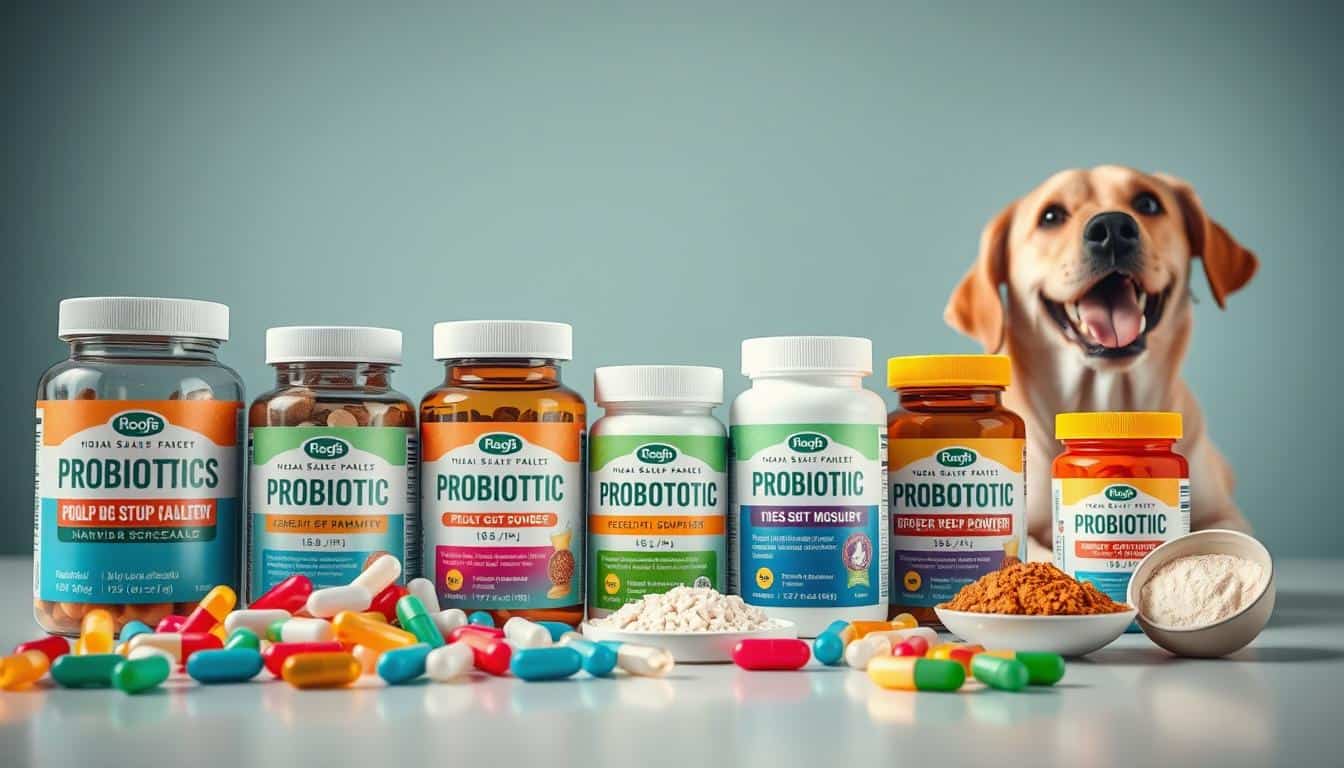
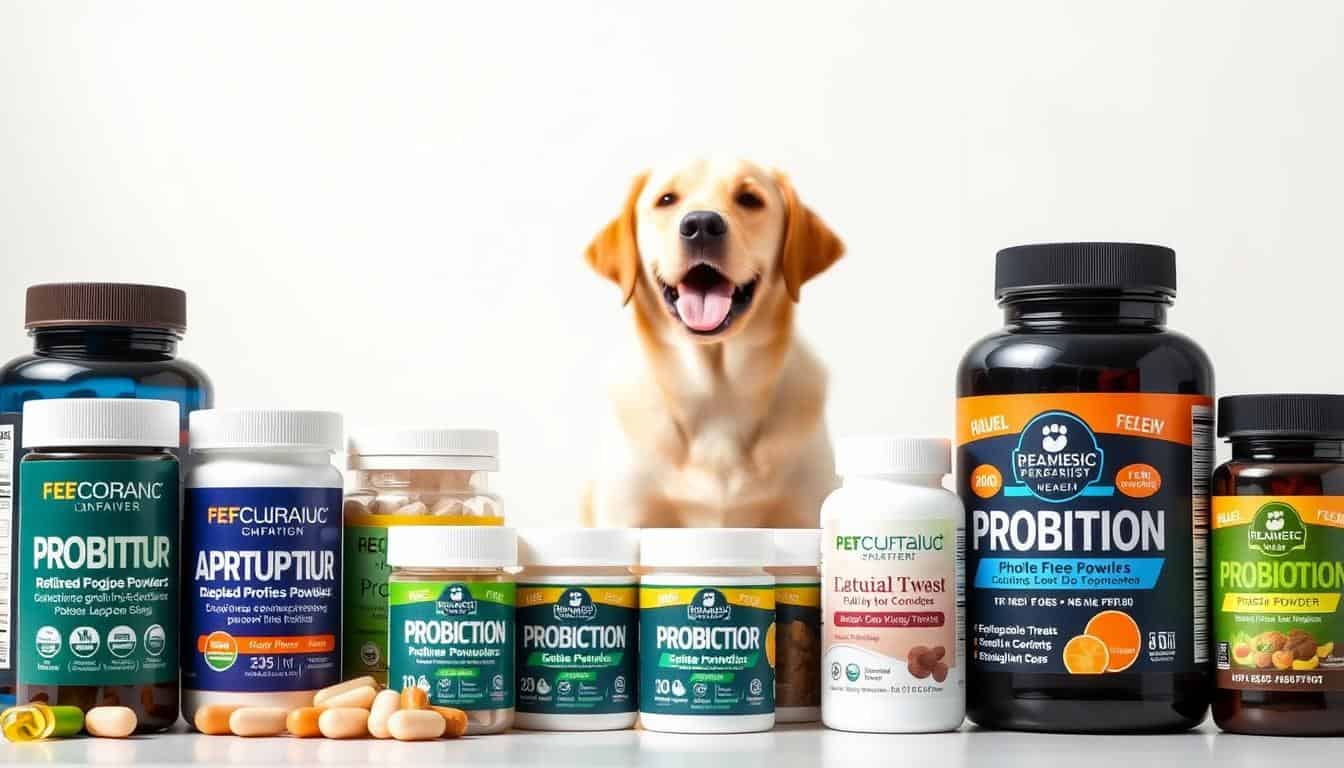
Selecting the top 10 probiotics for dogs involves understanding specific microbial strains like *Lactobacillus acidophilus*, *Bifidobacterium animalis*, and *Enterococcus faecium*, which are live microorganisms that confer health benefits when administered in adequate amounts. These beneficial bacteria work by crowding out harmful pathogens, producing short-chain fatty acids that nourish intestinal cells, and modulating the immune response. Formulations come in various delivery methods, including powders, chewable tablets, and liquids. Each commercial product combines different colony-forming units, representing the measure of viable microbes, tailored to target specific canine health requirements. Careful evaluation of guaranteed analysis labels ensures that active cultures remain potent throughout the shelf life of the supplement. For more related activities, check out our Puppy Care From Birth To 8 Weeks And Feeding.
Gastrointestinal Support and Immune System Fortification
Gut flora optimization significantly influences systemic health, as a major portion of the canine immune system resides directly within the gastrointestinal tract. Introducing these friendly bacteria helps maintain mucosal barrier integrity, preventing unwanted toxins from leaking into the bloodstream. Beyond relieving occasional loose stools, consistent supplementation aids in managing chronic conditions such as irritable bowel syndrome and food sensitivities. Furthermore, clinical experience shows that dogs recovering from systemic infections or surgical procedures often regain their appetite and vitality much quicker when their digestive flora is actively supported. By fostering a thriving microbial environment, canine bodies become better equipped to synthesize vital B-vitamins and ward off opportunistic pathogens.
The canine gastrointestinal tract houses a vast network of immune cells, meaning microbial balance directly influences systemic immunity and overall resistance to disease. — American Kennel Club
Incorporating Beneficial Supplements Safely Into Daily Canine Nutrition
Administering these beneficial supplements requires careful attention to product storage, expiration dates, and proper integration with regular meals. Powders can be easily blended into wet food or moistened kibble, while chews often double as a palatable daily treat. Consistency remains the cornerstone of success when altering an animal’s microbial environment. Pet owners must monitor their companions closely during the initial introduction phase to detect any signs of temporary gas or mild stool softening. Consulting a qualified veterinarian before starting any new regimen ensures that the chosen formulation aligns with the specific medical history and nutritional needs of the individual animal.
Best Practices and Common Pitfalls When Selecting Canine Supplements
Avoiding improper storage conditions is critical, as heat and moisture can quickly render live bacterial cultures ineffective. Many premium formulations require refrigeration to maintain maximum potency until the expiration date. Another frequent mistake involves using human dietary supplements, which may contain artificial sweeteners like xylitol that are extremely toxic to dogs, causing severe liver failure and dangerous drops in blood sugar. Prioritizing products specifically formulated for canines guarantees appropriate strain selection and safe excipient ingredients. Always verify that the manufacturer provides a guaranteed analysis of live bacteria rather than simply listing total cell counts at the time of manufacture.
Certain human sweeteners, particularly xylitol found in some supplements and foods, pose severe poisoning risks to canines and necessitate immediate veterinary intervention. — American Society for the Prevention of Cruelty to Animals
Pet Care & Wellness Overview Table
| Life Stage | Daily Activity Level | Key Nutrition / Care Focus |
|---|---|---|
| Puppy / Kitten | High (frequent short bursts) | High-protein growth diet & early socialization |
| Adult Companion | Moderate (30–60 mins daily) | Balanced maintenance nutrition & dental hygiene |
| Senior Pets | Low to Gentle (mindful walks) | Joint support (Glucosamine) & routine vet checks |
Images References




Breed, Age, and Size Considerations for Optimal Microbial Balance
Puppies, working dogs, and senior canines all experience different physiological demands that influence their microbial requirements. Growing puppies often benefit from immune-supporting strains during weaning and vaccination schedules, while geriatric dogs frequently need targeted microbial support to combat age-related digestive slowdowns. Large-breed dogs prone to gastric sensitivity may require different colony-forming unit densities compared to toy breeds with high metabolic rates. Tailoring the approach to the specific life stage and breed characteristics ensures maximum efficacy and prevents unnecessary metabolic stress.
When to Consult a Veterinarian Regarding Canine Digestive Health
Professional veterinary guidance is indispensable whenever persistent vomiting, bloody stools, lethargy, or sudden weight loss accompanies digestive distress. While routine supplementation excels at maintaining everyday wellness, these symptoms often point to underlying medical conditions requiring diagnostic testing and targeted medical intervention. A veterinarian can accurately diagnose systemic diseases, food allergies, or parasitic infections that over-the-counter supplements cannot resolve alone. Collaborating with a veterinary professional ensures a safe and comprehensive treatment plan tailored to protect long-term canine health.
Supporting Long-Term Wellness Through Informed Nutritional Choices
Navigating the world of canine wellness requires patience, education, and a commitment to evidence-based care. By understanding how beneficial microbes influence overall vitality, caregivers can make empowered decisions that enhance their companions’ quality of life. Explore more insights on Dog Health and Dog Nutrition to keep your furry family members thriving for years to come. Visit PetsAnimalsWorld.com for additional expert resources dedicated to responsible Dog Care.




