

Introduction
Managing a new puppy’s behavior often involves navigating common developmental stages, and nipping or biting is undoubtedly one of the most frequent challenges encountered by dog owners. The concept of “spraying puppy with water to stop biting” sometimes emerges as a consideration for those seeking a quick deterrent to this often frustrating behavior. This approach involves using a spray of water, typically from a bottle, as a mild aversion or distraction when a puppy nips or bites inappropriately. While seemingly straightforward, understanding the implications and effectiveness of such methods is crucial for a puppy’s behavioral development and the long-term bond between a dog and its human companions. This article delves into the context of puppy biting, explores the rationale behind using water sprays, and critically examines its role among a broader spectrum of training techniques available for promoting positive behavior. A thorough understanding of this topic can significantly contribute to a puppy’s well-being, foster better communication, and ultimately enhance the overall quality of life for both the dog and its family.
💡 Pet Care Key Takeaways:
- Core Focus: Practical health, nutrition, and wellness guidelines for Spraying Puppy With Water To Stop Biting.
- Target Scope: Pet owners, animal caregivers, and veterinary support staff.
- Best Recommendation: Maintain consistent daily routines and consult an accredited veterinarian before introducing major diet or medical changes.
Common Causes and Key Factors
Puppy biting, often perceived as a problem behavior, is a natural and essential part of canine development. Several key factors contribute to why puppies engage in nipping and mouthing. One primary cause is teething, during which puppies experience discomfort as their adult teeth emerge, leading them to seek relief by chewing and biting on various objects, including human hands or clothing. For more related activities, check out our Dog Unpredictable Behavior.
Another significant factor is exploration. Puppies naturally use their mouths to investigate their surroundings and learn about different textures and objects. This oral exploration is fundamental to their understanding of the world. Furthermore, play behavior with littermates involves a great deal of mouthing and mock-fighting, which helps puppies learn social boundaries and develop “bite inhibition”the ability to control the force of their bite. If puppies are separated from their litter too early, they may miss crucial lessons in bite inhibition.
Attention-seeking can also drive nipping. If biting results in a reaction from owners, even a negative one, the puppy may learn that nipping is an effective way to gain attention. Similarly, overtiredness or overstimulation can lead to an increase in nipping, as puppies, much like young children, may become irritable and less able to control their impulses when fatigued or overwhelmed. Finally, in some instances, nipping can stem from underlying fear or stress, although this is less common in typical puppy play biting.
The consideration of methods like spraying with water often arises from a desire to quickly curb these natural but sometimes inconvenient behaviors. Owners may be seeking an immediate solution, sometimes without fully understanding the underlying developmental reasons for the biting or the potential long-term impacts of using aversive techniques.
Signs and Symptoms to Observe
Observing a puppy’s biting behavior involves recognizing patterns and contexts. Owners should note the frequency and intensity of the nipping. Is it a gentle mouthing, or does it involve harder bites that break skin? The targets of the biting are also important; puppies often direct nipping towards hands, ankles, or clothing during play or interaction. The context of the biting provides crucial clues: does it occur during specific games, when the puppy is excited, when ignored, or when being handled in a certain way?
Beyond the biting itself, observing the puppy’s overall body language before, during, and after the biting is essential. A puppy that is relaxed and playful will exhibit loose body movements, a wagging tail, and an open mouth. Conversely, signs of tension, rigidity, growling, or a tucked tail might indicate fear, discomfort, or an escalation beyond playful nipping.
When attempting various training methods, including a water spray, observing the puppy’s reaction is paramount. Does the puppy immediately cease the unwanted behavior? Does it show signs of fear, confusion, or increased anxiety following the spray? Some puppies may temporarily stop the biting but then resume it shortly after, or they may become wary of the owner’s hands or the presence of the spray bottle. A truly effective training method should lead to a reduction in unwanted behavior without causing undue stress or fear, and should ideally teach the puppy an alternative, acceptable behavior. Consistent observation across different environments and with various individuals can help identify patterns and the most effective approaches.
Practical Solutions and Management Strategies
Addressing puppy biting effectively involves a multi-faceted approach centered around positive reinforcement and clear communication, rather than relying on aversive techniques that can damage trust. While the use of a water spray as a deterrent for biting has been considered by some, modern canine training strongly advocates for methods that build a strong, positive relationship and teach appropriate behaviors without inducing fear or discomfort.
A cornerstone of managing puppy biting is redirection. When a puppy begins to nip, immediately offer an appropriate chew toy or a tug toy. This teaches the puppy that chewing on toys is acceptable, whereas mouthing human skin is not. Consistent provision of a variety of appealing chew toys is vital.
Teaching bite inhibition is also critical. This can be done by mimicking a puppy’s littermates. When a puppy bites too hard, a sharp, high-pitched “yelp” or “ouch” can be uttered, followed by immediately withdrawing attention for 10-20 seconds. This is known as a “reverse time-out.” The puppy learns that hard biting stops the fun. If the puppy’s nipping persists or is particularly intense, the owner can calmly get up and leave the room for a short period, effectively removing themselves as a source of interaction. Upon returning, if the puppy mouths gently, it can be praised and play can resume.
Rewarding calm and gentle behavior is equally important. When a puppy is interacting gently, offering praise or a small treat reinforces the desired behavior. Owners can also practice “settle” commands, rewarding the puppy for relaxing and not nipping.
Environmental management plays a significant role. Ensuring the puppy receives adequate exercise and mental stimulation helps to expend excess energy, which can reduce the likelihood of frenzied nipping. Puppy-proofing the home can also prevent access to inappropriate chewing items.
Regarding the “spraying puppy with water to stop biting,” it operates on the principle of a startle or mild punishment. While it may temporarily interrupt the biting behavior, it carries several potential drawbacks. It does not teach the puppy an alternative, acceptable behavior. Instead, it merely suppresses the unwanted action, which can lead to confusion, fear of the owner’s hands, or even a breakdown in trust. Puppies may learn to avoid biting only when the spray bottle is present or when the owner is directly observing, without truly understanding why the behavior is undesirable. Furthermore, repeated use of aversive tools can contribute to anxiety or other behavioral issues in some dogs. Modern, positive reinforcement techniques are generally more effective and humane for achieving long-term behavioral change and fostering a strong, positive relationship between a puppy and its owner.
When Professional Help May Be Needed
While puppy biting is a normal developmental stage, there are specific circumstances in which seeking professional guidance becomes highly advisable. Owners should consider consulting with a certified professional dog trainer or a veterinary behaviorist if the biting behavior is persistent, unusually intense, or does not show improvement despite consistent application of positive reinforcement techniques.
Situations where professional intervention is particularly important include:
- Aggressive Biting: If the puppy exhibits signs of aggression accompanying the biting, such as growling, snapping, or a stiff body posture, particularly in situations where resources (food, toys) are involved, or when being handled.
- Fear or Anxiety: If the puppy displays extreme fear, anxiety, or defensive behaviors in response to interactions or attempts at training.
- Lack of Progress: When owners have diligently applied appropriate positive training methods for several weeks without observing a significant reduction in the frequency or intensity of biting.
- Overwhelm or Frustration: If owners feel overwhelmed, frustrated, or unable to safely manage the puppy’s biting, leading to a strained relationship with the animal.
- Injury: If the puppy’s bites are consistently breaking the skin or causing significant injury.
A qualified professional can assess the specific nuances of the puppy’s behavior, identify any underlying causes such as medical issues or severe anxiety, and develop a tailored training plan. Their expertise ensures that the puppy receives appropriate guidance, and owners gain the necessary tools and support to foster a well-behaved and confident companion.
Conclusion
Puppy biting is an intrinsic part of a dog’s early development, rooted in exploration, play, and teething. While potentially frustrating for owners, understanding its underlying causes is the first step toward effective management. Rather than employing aversive techniques like spraying a puppy with water, which can inadvertently foster fear, confusion, or a breakdown of trust, a focus on positive, reward-based training methods yields more sustainable and desirable outcomes. Redirecting biting to appropriate chew toys, teaching bite inhibition through “yelping” and “reverse time-outs,” and consistently rewarding calm and gentle behavior are cornerstones of successful puppy training. Patience, consistency, and a deep understanding of a puppy’s needs are paramount in shaping a well-mannered companion. Building a strong, trust-based relationship through positive reinforcement ensures a happy, confident dog. Owners are encouraged to remain observant of their puppy’s behavior and to seek professional guidance from a certified dog trainer or veterinary behaviorist when challenges persist or behaviors escalate, ensuring the best possible start for their furry family member.
Pet Care & Wellness Overview Table
| Life Stage | Daily Activity Level | Key Nutrition / Care Focus |
|---|---|---|
| Puppy / Kitten | High (frequent short bursts) | High-protein growth diet & early socialization |
| Adult Companion | Moderate (30–60 mins daily) | Balanced maintenance nutrition & dental hygiene |
| Senior Pets | Low to Gentle (mindful walks) | Joint support (Glucosamine) & routine vet checks |
Images References


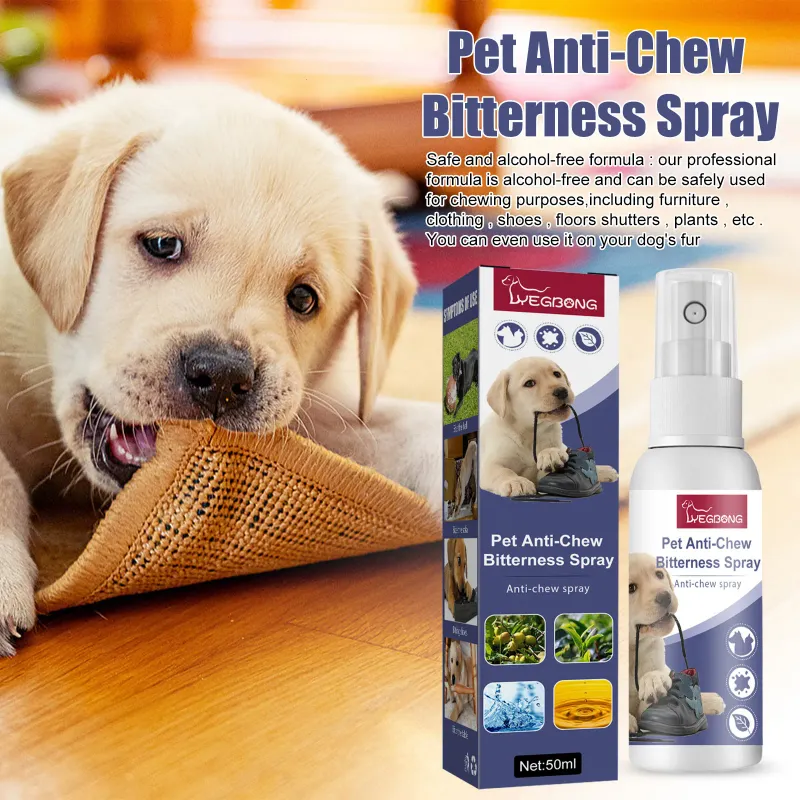


For more expert pet care tips and advice, check out our dedicated Dog Behavior guides to keep your companions healthy and happy.




