

Understanding the Value of Tracking Canine Conduct Through a Dog Behavior Journal
Keeping track of everyday canine actions provides essential insights that casual observation often misses. According to the American Society for the Prevention of Cruelty to Animals (ASPCA), understanding behavioral patterns is fundamental to resolving underlying issues rather than simply addressing surface symptoms. A dog behavior journal serves as a systematic record of daily habits, environmental stressors, dietary changes, and specific reactions to various stimuli. By documenting these details consistently, caretakers can identify subtle trends that might otherwise go unnoticed during busy daily routines. For example, a sudden uptick in pacing might correlate directly with loud construction noise outside, or a localized change in diet might coincide with digestive discomfort affecting overall demeanor. Maintaining such records bridges the gap between everyday observations and actionable insights, supporting a higher standard of animal welfare and improving daily management strategies for companion animals.
💡 Pet Care Key Takeaways:
- Core Focus: Practical health, nutrition, and wellness guidelines for Dog Behavior Journal.
- Target Scope: Pet owners, animal caregivers, and veterinary support staff.
- Best Recommendation: Maintain consistent daily routines and consult an accredited veterinarian before introducing major diet or medical changes.
Defining the Dog Behavior Journal and Its Core Components
A dog behavior journal is a structured log used to document specific actions, physiological responses, and environmental contexts surrounding a canine’s daily life. Rather than relying on sporadic memory, this written tool captures the exact time, location, intensity, and duration of particular behaviors. Key elements typically recorded include the antecedent—what happened immediately before the behavior occurred—the behavior itself, and the consequence or immediate outcome. Documenting these three components forms what professionals call an ABC log, a method grounded in behavioral science. Alongside these entries, keepers note relevant variables such as weather conditions, visitor presence, exercise levels, and feeding schedules. Establishing this comprehensive baseline allows observers to distinguish normal exploratory actions from responses driven by underlying stress, discomfort, or medical vulnerabilities.
The Direct Impact on Canine Health, Training, and Welfare
Systematic behavioral logging profoundly influences veterinary diagnostics and the success of humane Dog Training initiatives. Chronic stress, anxiety, or pain often manifests through subtle behavioral shifts, such as changes in sleep architecture, reluctance to engage in play, or mild reactivity toward familiar objects. When a caretaker presents detailed written logs during a veterinary consultation, the attending professional gains an objective timeline of symptoms rather than relying on generalized estimates. This level of precision aids in differentiating between learned behavioral habits and underlying medical issues, such as orthopedic pain or neurological discomfort. Furthermore, evidence-informed Dog Behavior modification relies on accurately identifying triggers, making chronological records indispensable for measuring progress over time.
Systematic behavioral logging helps veterinarians distinguish between learned habits and medical issues by providing an objective timeline of symptoms rather than generalized estimates. — American Animal Hospital Association
Implementing Effective Record-Keeping Practices in Daily Care
Establishing a reliable routine for maintaining a daily log requires consistency and simplicity to ensure long-term adherence. Caretakers can choose between traditional paper notebooks or digital applications, provided the format allows for quick entries immediately following notable events. Each entry should remain objective and descriptive, avoiding emotional interpretations like spiteful or stubborn, and instead focusing on observable facts such as lip licking, stiffening posture, or vocalization intensity. Integrating this practice into Dog Care routines takes only a few moments each day but yields immense long-term benefits for understanding individual needs. Regularly reviewing these notes weekly or monthly helps reveal recurring patterns, seasonal sensitivities, or positive responses to ongoing enrichment activities.
Best Practices, Common Pitfalls, and Practical Observation Tips
Avoiding common record-keeping mistakes ensures the collected data remains genuinely useful for professional evaluation. One frequent pitfall is recording only extreme events while ignoring neutral or positive days, which skews the overall picture and creates an unbalanced dataset. Observers should also note baseline behavior during calm periods to establish a clear contrast against reactive states. Keeping writing materials accessible in high-traffic areas of the home encourages immediate documentation before details fade from memory. Additionally, tracking physical wellness indicators, such as water consumption levels or minor mobility changes, alongside emotional reactions provides a holistic view of overall vitality, supporting proactive management across all life stages.
Consistent documentation of both positive days and reactive episodes prevents data skewing and provides a balanced overview of daily well-being. — Association of Professional Dog Trainers
Pet Care & Wellness Overview Table
| Life Stage | Daily Activity Level | Key Nutrition / Care Focus |
|---|---|---|
| Puppy / Kitten | High (frequent short bursts) | High-protein growth diet & early socialization |
| Adult Companion | Moderate (30–60 mins daily) | Balanced maintenance nutrition & dental hygiene |
| Senior Pets | Low to Gentle (mindful walks) | Joint support (Glucosamine) & routine vet checks |
Images References


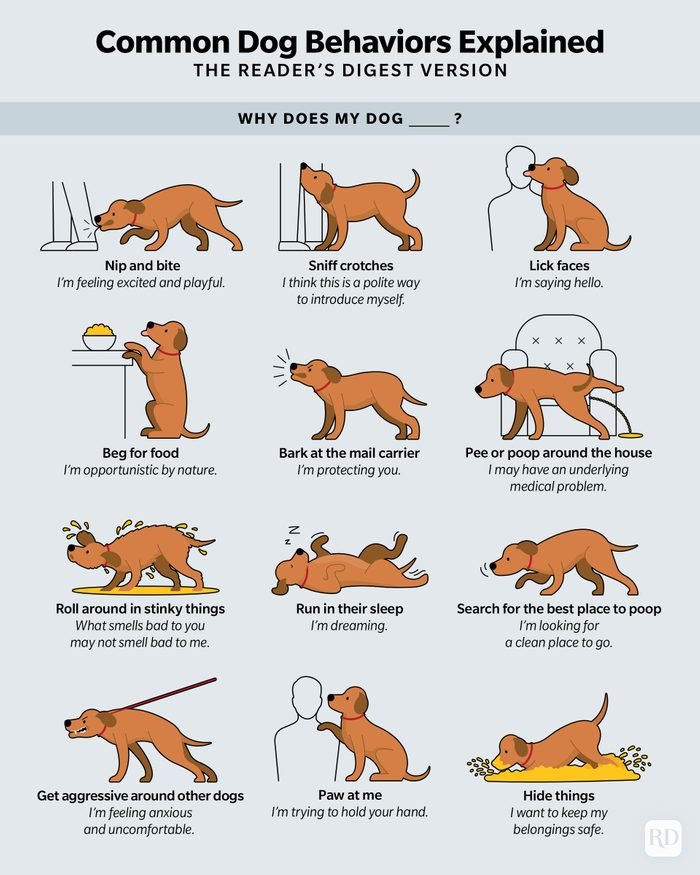




Every canine possesses a unique genetic background, developmental stage, and temperament that influences how they interact with their environment. Specific Dog Breeds may exhibit distinct breed-specific predispositions, such as high herding drives or intense scent-tracking tendencies, which should be factored into daily logs rather than viewed as problematic deviations. Age also plays a vital role; adolescent dogs often experience transitional phases marked by testing boundaries, whereas senior canines may show behavioral changes linked to cognitive decline or sensory loss. Tailoring observation parameters to fit the specific life stage and personality of the individual animal ensures that the recorded data reflects authentic behavioral patterns rather than unrealistic expectations.
Recognizing When to Consult Veterinary Professionals and Behavior Specialists
While daily logging is a powerful management tool, certain behavioral shifts require immediate professional intervention. According to the American Veterinary Medical Association (AVMA), sudden changes in temperament, severe aggression, persistent destructive chewing, or profound fearful withdrawal warrant a thorough physical examination by a veterinarian to rule out underlying pain or illness. For persistent behavioral concerns that do not stem from a medical condition, caretakers should seek guidance from a qualified, certified professional trainer or veterinary behaviorist who utilizes positive reinforcement and humane, evidence-based methods. Avoid punitive or dominance-based techniques, as intimidation can exacerbate fear and increase stress. Bringing a completed behavior journal to these appointments provides clinicians and specialists with invaluable baseline data to accelerate accurate diagnosis and tailored treatment planning.
Supporting Canine Well-Being Through Informed Observation
Maintaining an accurate behavioral log empowers caretakers to respond to canine needs with precision, empathy, and scientific grounding. By combining consistent daily documentation with expert guidance, owners can foster a safe, enriching environment that supports long-term mental and physical health. Explore more resources on PetsAnimalsWorld.com, including helpful articles on Dog Health and optimal Dog Nutrition, to ensure comprehensive care for your animal companion.




