
Understanding canine behavioral patterns remains essential for maintaining harmonious human-canine relationships, particularly in vibrant metropolitan areas where environmental stimulation is constant. According to the American Society for Prevention of Cruelty to Animals (ASPCA), behavioral issues are among the leading reasons owners seek guidance or, tragically, relinquish companion animals to shelters. Addressing these concerns proactively ensures that domestic dogs thrive in human households. Families residing in the Piedmont region frequently seek localized expertise to navigate complex behavioral challenges ranging from leash reactivity to separation distress. Accessing a qualified dog behaviorist in Greenville SC gives pet owners specialized, science-backed tools to decode canine communication and reshape responses safely.
💡 Pet Care Key Takeaways:
- Core Focus: Practical health, nutrition, and wellness guidelines for Dog Behaviorist Greenville Sc.
- Target Scope: Pet owners, animal caregivers, and veterinary support staff.
- Best Recommendation: Maintain consistent daily routines and consult an accredited veterinarian before introducing major diet or medical changes.
Defining Professional Canine Behavioral Modification
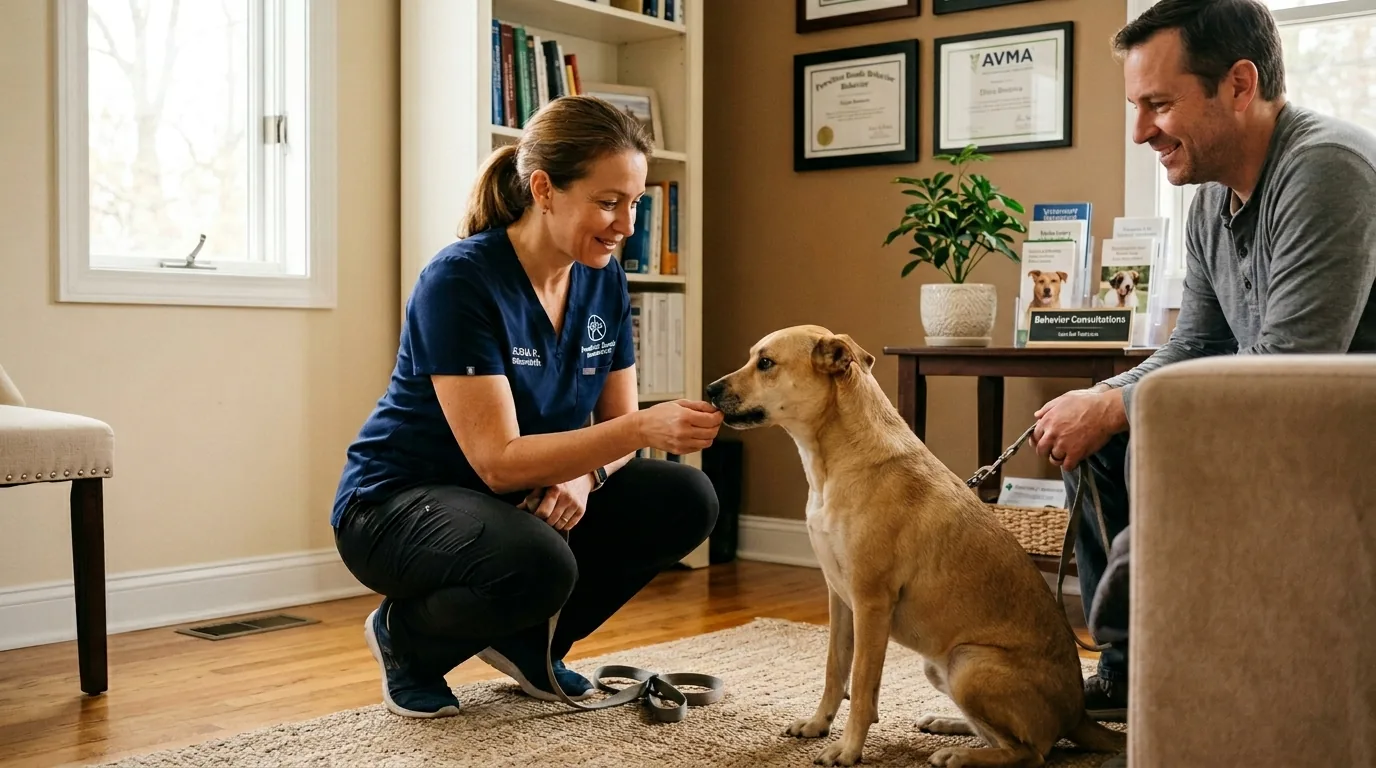
A professional dog behaviorist in Greenville SC specializes in analyzing the root psychological and environmental triggers behind maladaptive canine actions. Unlike basic obedience instructors who primarily teach fundamental commands like sit, stay, and heel, applied animal behaviorists delve deeper into emotional states, cognitive processing, and physiological stressors. These practitioners rely on evidence-based methodologies rooted in operant conditioning and classical counter-conditioning. They evaluate how fear, anxiety, resource guarding, or generalized over-arousal dictate everyday responses. By identifying underlying motivational factors, professionals design structured modification protocols that prioritize humane, reward-based interactions over intimidation or physical correction.
The Impact of Environment on Behavioral Wellness
Local environmental factors in the Upstate of South Carolina—ranging from bustling downtown parks to dense residential neighborhoods—significantly influence a companion animal’s emotional stability and daily stress levels. Unfamiliar sights, sounds, and novel encounters can trigger reactive behaviors in sensitive dogs, making structured desensitization crucial for long-term psychological health. When environmental stimuli consistently exceed a dog’s coping threshold, chronic stress hormones like cortisol remain elevated, impacting both mental well-being and physical health. Establishing a predictable routine helps mitigate these environmental pressures.
Behavioral problems in companion animals are frequently linked to underlying medical conditions or unmet emotional and physical enrichment needs. — American Veterinary Medical Association
Implementing Humane Modification Strategies
Addressing complex behavioral concerns requires patience, consistency, and a strict commitment to humane, fear-free teaching methods. When engaging a dog behaviorist in Greenville SC, owners learn to recognize subtle early signs of discomfort, such as lip-licking, whale eye, or tense body postures, long before escalation occurs. Management strategies are implemented immediately to prevent rehearsal of unwanted actions, followed by systematic exposure programs that pair triggers with high-value reinforcement. This careful progression allows the animal to build positive emotional associations with previously frightening or stimulating scenarios, fostering genuine confidence rather than forced compliance.
Best Practices and Common Pitfalls in Modification
Consistency remains the cornerstone of successful behavioral adjustment, requiring all household members to adhere strictly to established protocols and cue hierarchies. A frequent mistake involves rushing exposure phases or flooding the animal with overwhelming stimuli, which frequently intensifies fear and delays progress. Owners must celebrate small developmental milestones rather than expecting overnight transformations. Furthermore, avoiding punitive measures is critical, as aversive techniques damage trust and heighten aggressive responses. Patience, combined with clear communication, creates a secure learning environment where lasting behavioral shifts can safely take root.
Force-free, positive reinforcement training methods are proven to be more effective and create stronger bonds between dogs and their human families than aversive corrections. — American Kennel Club
Pet Care & Wellness Overview Table
| Life Stage | Daily Activity Level | Key Nutrition / Care Focus |
|---|---|---|
| Puppy / Kitten | High (frequent short bursts) | High-protein growth diet & early socialization |
| Adult Companion | Moderate (30–60 mins daily) | Balanced maintenance nutrition & dental hygiene |
| Senior Pets | Low to Gentle (mindful walks) | Joint support (Glucosamine) & routine vet checks |
Images References




Breed, Age, and Temperament Dynamics
Individual genetic predispositions, developmental life stages, and unique personality traits heavily shape how a dog perceives and interacts with the surrounding world. Working and herding breeds, for instance, often possess intense drive characteristics that require specialized outlets to prevent frustration-based behaviors. Conversely, senior dogs may experience cognitive decline that alters established patterns, presenting challenges that mimic behavioral training issues but require distinct medical management. Professional evaluations always account for these inherent physiological and psychological variables, ensuring that modification plans align naturally with the individual animal’s specific capabilities and limitations.
When to Consult a Veterinary Professional or Specialist
Persistent behavioral changes, sudden aggression, profound fear, or self-harming tendencies necessitate immediate professional intervention from a qualified veterinarian or board-certified veterinary behaviorist. Medical discomfort, neurological disorders, and endocrine imbalances frequently manifest as behavioral abnormalities, meaning a comprehensive physical examination is always the vital first step. For complex psychological concerns, partnering with a certified behavior specialist ensures the implementation of safe, scientifically validated protocols. For further educational resources on keeping companion animals healthy and balanced, explore the guides available at Dog Behavior, Dog Training, and Dog Health.
Fostering Long-Term Canine Wellness
Investing time and resources into behavioral education transforms the daily lives of both companion animals and their human families. By addressing psychological needs with empathy and scientific rigor, owners cultivate environments of trust and safety. Continuous learning remains the most effective tool for preventing future challenges. Explore additional insights and expert care guidelines across various companion topics by visiting PetsAnimalsWorld.com today.




