
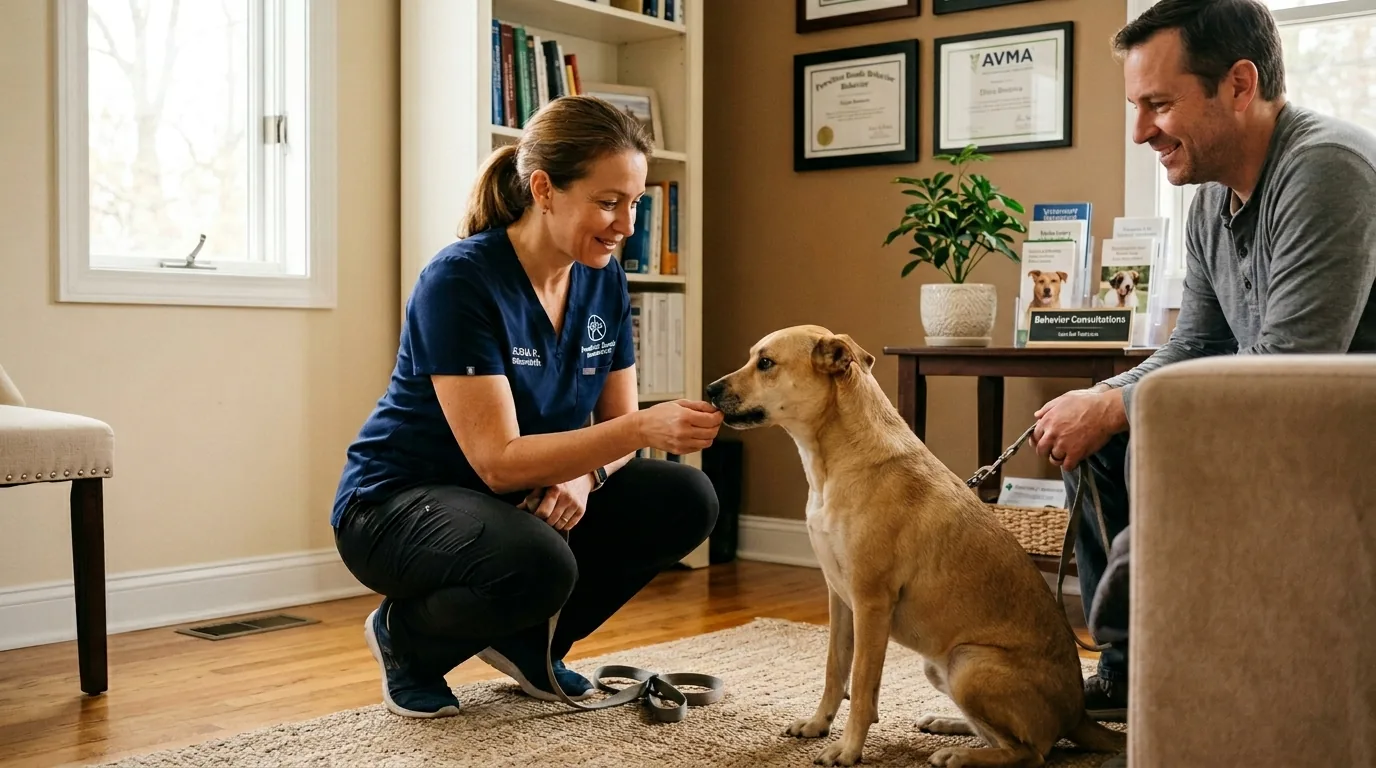
Understanding Canine Behavioral Needs in the Ocean State
Addressing complex behavioral challenges in domestic canines requires a structured, science-based approach that prioritizes animal welfare and positive reinforcement. According to the American Society for Prevention of Cruelty to Animals (ASPCA), behavioral issues represent a primary reason owners relinquish companion animals, making professional intervention crucial for keeping households stable and harmonious. When navigating persistent reactivity, severe separation distress, or generalized anxiety, local resources focused on canine psychology offer invaluable support. Seeking a qualified dog behaviorist rhode island specialist helps bridge the gap between confusion and lasting household harmony through humane methods.
💡 Pet Care Key Takeaways:
- Core Focus: Practical health, nutrition, and wellness guidelines for Dog Behaviorist Rhode Island.
- Target Scope: Pet owners, animal caregivers, and veterinary support staff.
- Best Recommendation: Maintain consistent daily routines and consult an accredited veterinarian before introducing major diet or medical changes.
Defining Professional Behavioral Consultations
A professional behavior consultation involves a comprehensive evaluation of an animal’s emotional state, environmental triggers, and learned responses conducted by a certified expert. Applied animal behavior encompasses the scientific study of how animals interact with their environment and how past experiences shape future conduct. Unlike basic obedience instructors who focus primarily on cue execution like sitting or staying, a dedicated behavioral specialist diagnoses the underlying emotional drivers of problematic actions, such as fear, frustration, or compulsive tendencies. This distinction ensures that intervention strategies target the root cause rather than merely suppressing surface manifestations. For more related activities, check out our Dog Behavior Camp.
The Impact of Environment and Emotional Well-Being
Chronic stress and unaddressed behavioral struggles profoundly affect a dog’s physiological health, immune function, and overall quality of life. Environmental enrichment, predictable routines, and positive social exposure serve as foundational pillars for maintaining a balanced nervous system in domestic dogs. When stress hormones remain elevated over prolonged periods, canines may experience sleep disruption, digestive sensitivities, and heightened reactivity to everyday stimuli.
Environmental enrichment and positive reinforcement training significantly reduce stress-related cortisol levels in domestic canines. — American Veterinary Medical Association
Implementing Evidence-Based Modification Strategies
Modifying ingrained behavioral patterns relies heavily on systematic desensitization and counter-conditioning techniques administered under expert guidance. Desensitization involves exposing a dog to a low-intensity version of a triggering stimulus without eliciting a fear or aggressive response, gradually increasing exposure over time. Counter-conditioning pairs that same trigger with a highly valued reward to shift the emotional response from apprehension to positive anticipation. These humane methodologies build confidence and foster trust between the animal and the household.
Best Practices and Common Pitfalls in Behavior Modification
Consistency, patience, and clear communication form the bedrock of successful behavioral modification programs for companion animals. Owners must avoid punitive, intimidation-based, or dominance-oriented techniques, which frequently escalate fear, suppress warning signals, and damage the human-animal bond. Another frequent misstep involves rushing progress or exposing the animal to overwhelming environments before foundational coping mechanisms are securely established. Monitoring subtle body tension, lip licking, and spatial avoidance helps handlers recognize stress before a threshold is breached.
Punishment-based training methods increase the risk of aggressive responses and elevate fear-related behaviors in dogs. — American College of Veterinary Behaviorists
Pet Care & Wellness Overview Table
| Life Stage | Daily Activity Level | Key Nutrition / Care Focus |
|---|---|---|
| Puppy / Kitten | High (frequent short bursts) | High-protein growth diet & early socialization |
| Adult Companion | Moderate (30–60 mins daily) | Balanced maintenance nutrition & dental hygiene |
| Senior Pets | Low to Gentle (mindful walks) | Joint support (Glucosamine) & routine vet checks |
Images References





Individual Variations Across Breeds, Ages, and Temperaments
Every canine presents a unique combination of genetic predisposition, developmental history, and individual temperament that influences behavioral intervention outcomes. Working breeds with high physical and mental stamina may develop destructive habits if under-stimulated, while companion breeds can be prone to specific attachment-related anxieties. Furthermore, senior dogs experiencing cognitive decline often display confusion or altered sleep-wake cycles that require specialized veterinary management alongside behavioral adjustments. Recognizing these individual nuances prevents unrealistic expectations and guides tailored support plans.
When to Consult a Veterinary Professional or Specialist
Sudden behavioral shifts, uncharacteristic aggression, or persistent distress warrant an immediate veterinary examination to rule out underlying medical conditions or acute pain. Physical discomfort is frequently masked by dogs and commonly manifests as behavioral changes, making medical clearance an essential first step before initiating formal behavior modification. For severe aggression, intense self-mutilation, or intractable panic, partnering with a board-certified veterinary behaviorist or a certified applied animal behaviorist ensures safe, comprehensive, and medically informed care.
Supporting Lifelong Wellness and Behavioral Health
Fostering a well-adjusted companion requires ongoing education, environmental management, and a commitment to humane, science-based care practices. Exploring additional resources on Dog Behavior, understanding foundational principles through Dog Training guides, and maintaining optimal physical wellness via Dog Health articles empowers owners to make informed decisions. Discover more expert insights and practical guidance by visiting PetsAnimalsWorld.com today.




