

Understanding the Distinction Between Professional Guidance and Canine Education
Navigating canine behavioral challenges often requires external guidance, leaving many household managers wondering about the differences between a professional trainer and a clinical specialist. According to the American Society for the Prevention of Cruelty to Animals, understanding the specific background of a professional ensures that animals receive appropriate interventions tailored to their exact mental state. When a dog jumps on visitors, pulls excessively on the leash, or ignores basic commands, the situation calls for foundational skill building. Conversely, deep-seated emotional distress requires an entirely different level of expertise.
💡 Pet Care Key Takeaways:
- Core Focus: Practical health, nutrition, and wellness guidelines for Dog Behaviorist Vs Trainer.
- Target Scope: Pet owners, animal caregivers, and veterinary support staff.
- Best Recommendation: Maintain consistent daily routines and consult an accredited veterinarian before introducing major diet or medical changes.
Defining the Core Roles of a Dog Behaviorist Versus a Trainer
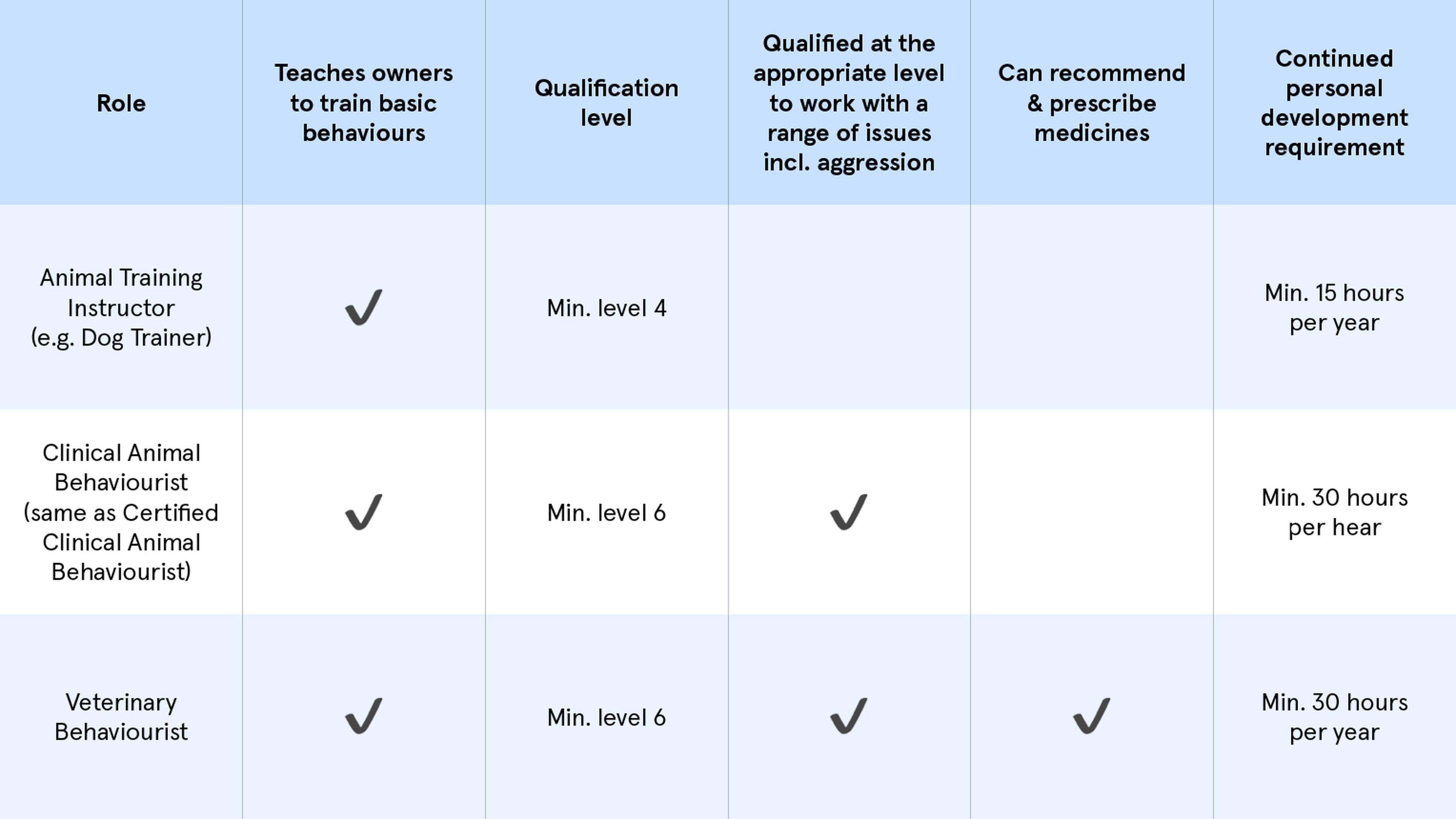
A dog trainer primarily focuses on teaching obedience, manners, and specific task-oriented skills through positive reinforcement methods. Training centers on operant conditioning, which involves shaping everyday actions like sitting, staying, and coming when called. In contrast, a certified applied animal behaviorist or veterinary behaviorist examines the underlying emotional and neurological drivers behind complex psychological challenges. These specialists explore why an animal reacts with extreme panic, compulsive routines, or intense distress, rather than simply modifying the physical display of the behavior. For more related activities, check out our Dog Behavior Camp.
Evaluating the Psychological and Environmental Impact on Domestic Canines
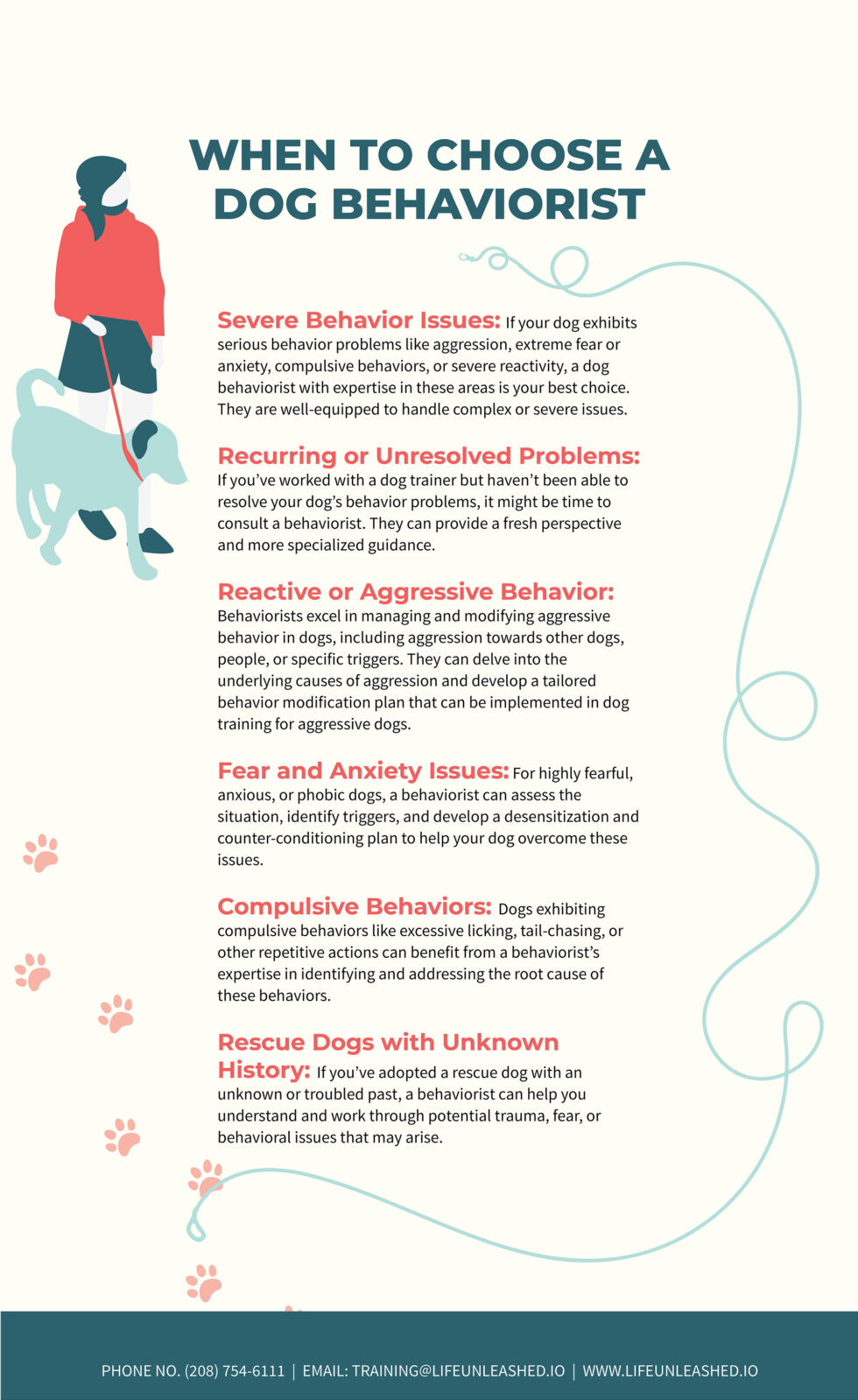
Unresolved psychological distress can severely diminish a dog’s overall quality of life and strain the human-animal bond. Chronic fear or anxiety triggers persistent physiological stress responses, elevating cortisol levels and potentially leading to systemic health complications over time. Environmental triggers, lack of early socialization, and genetic predispositions all interact to shape how an individual animal perceives the world. Addressing these profound concerns requires evidence-informed explanations of behavior, careful management of triggers, and structured reinforcement protocols that promote emotional stability.
Behavioral issues rooted in severe anxiety and chronic fear require clinical evaluation rather than standard obedience instruction — — American Veterinary Medical Association
Selecting the Correct Professional Approach for Canine Development
Choosing the appropriate professional depends entirely on the nature and intensity of the difficulties observed in the household. Everyday obedience challenges, impulse control issues, and basic puppy manners respond exceptionally well to structured guidance from a qualified, humane-focused instructor. These professionals establish clear communication channels between the human caregiver and the animal, utilizing reward-based techniques that build confidence and cooperation without resorting to intimidation or punitive measures.
Avoiding Common Missteps in Canine Behavioral Intervention
A frequent mistake involves attempting to treat severe panic or redirected aggression with basic obedience commands alone. For instance, instructing a terrified dog to sit while a triggering stimulus approaches can actually heighten anxiety if the emotional root remains unaddressed. Furthermore, avoiding punishment-based methods is essential, as intimidation escalates fear and compromises safety. Relying instead on gradual desensitization and counter-conditioning—processes that change an animal’s emotional response to a trigger—ensures a safer, more humane journey toward recovery.
Humane, reward-based instruction methods yield superior long-term results in domestic dogs compared to dominance-based or punitive techniques — — American Kennel Club
Pet Care & Wellness Overview Table
| Life Stage | Daily Activity Level | Key Nutrition / Care Focus |
|---|---|---|
| Puppy / Kitten | High (frequent short bursts) | High-protein growth diet & early socialization |
| Adult Companion | Moderate (30–60 mins daily) | Balanced maintenance nutrition & dental hygiene |
| Senior Pets | Low to Gentle (mindful walks) | Joint support (Glucosamine) & routine vet checks |
Images References




Accounting for Individual Breed Tendencies, Age, and Temperament
Every dog is an individual shaped by a unique combination of genetics, life history, and daily environment, meaning cookie-cutter solutions rarely succeed. Working breeds with high energy levels require outlets that engage their natural instincts, while sensitive companion animals may need gentler approaches to prevent overwhelm. Age also plays a critical role, as developing puppies possess distinct neural plasticity compared to mature adults with established behavioral patterns. Recognizing these inherent differences prevents unrealistic expectations and guides the selection of the most suitable intervention strategy.
Recognizing When to Consult a Veterinarian or Qualified Specialist
Sudden shifts in temperament, severe aggression, or profound fear warrant immediate consultation with a primary veterinarian to rule out underlying medical pain or neurological disease. If physical illness is dismissed, a referral to a board-certified veterinary behaviorist becomes the gold standard for managing complex psychiatric conditions. For everyday manners and foundational skill development, partnering with a qualified Dog Training professional provides the necessary structure. For broader insights into keeping companions safe and comfortable, exploring resources on Dog Care and Dog Behavior helps build a comprehensive understanding of canine needs.
Closing Insights on Supporting Canine Mental Well-Being
Addressing canine challenges with patience, empathy, and professional expertise ensures a harmonious home environment for both humans and animals. Whether engaging a skilled instructor for obedience or collaborating with a clinical specialist for deep-seated fears, prioritizing humane methods protects emotional health. Discover more expert guidance and educational resources by visiting PetsAnimalsWorld.com alongside specialized categories like Dog Health and Dog Nutrition.




