

Understanding Dog Behaviorist Careers and Professional Roles
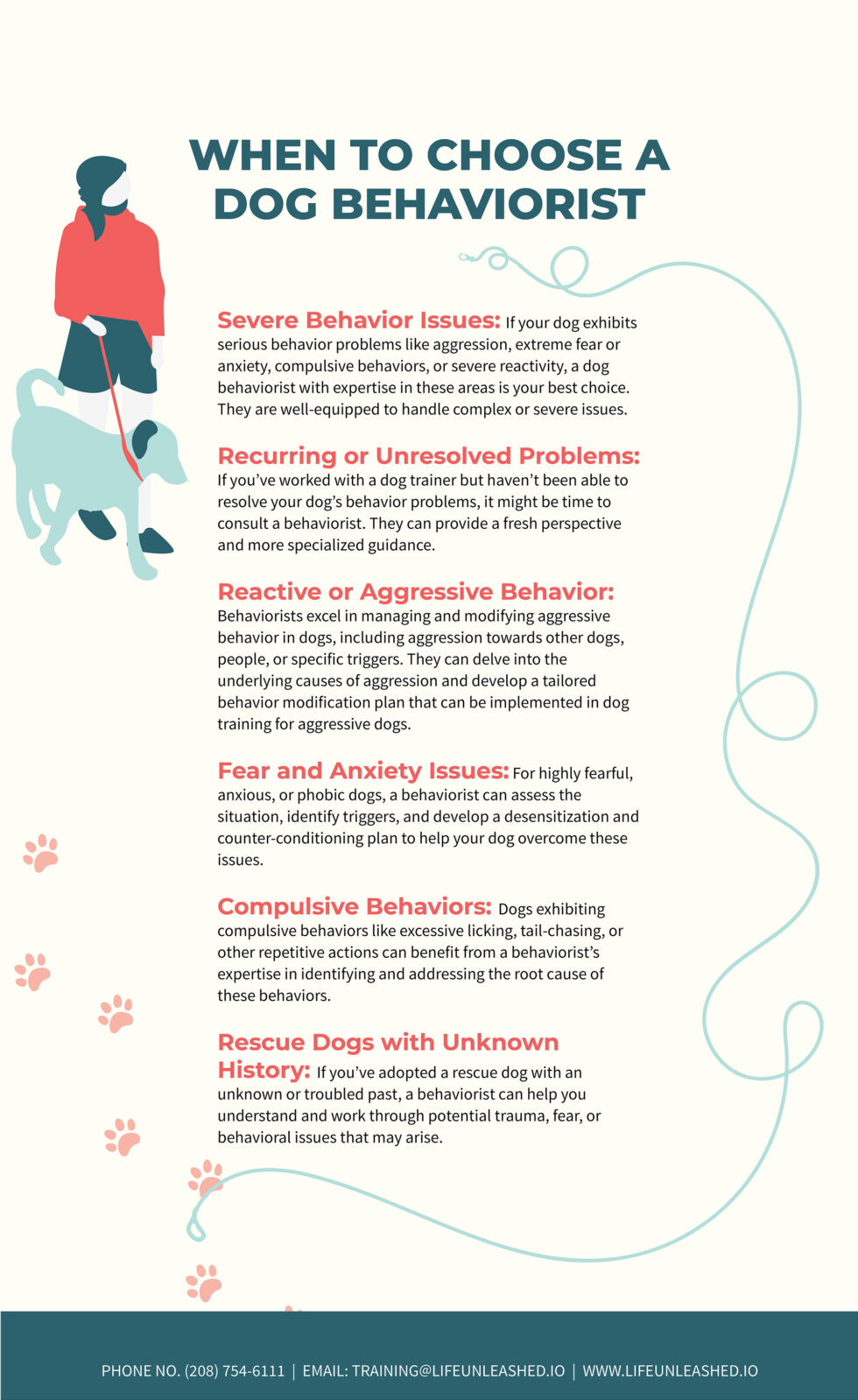
Navigating canine behavioral challenges often requires specialized expertise far beyond standard obedience instruction. According to the American Society for Prevention of Cruelty to Animals (ASPCA), addressing complex behavioral issues relies on understanding underlying emotional triggers rather than simply modifying surface-level actions. Modern dog behaviorist jobs focus on unraveling the psychological and environmental factors that shape how dogs interact with the world. When households face persistent reactivity, severe separation distress, or generalized anxiety, certified professionals bridge the gap between basic household manners and clinical behavioral science. Recognizing what these specialists do empowers owners to seek the right level of support for complex challenges.
💡 Pet Care Key Takeaways:
- Core Focus: Practical health, nutrition, and wellness guidelines for Dog Behaviorist Jobs.
- Target Scope: Pet owners, animal caregivers, and veterinary support staff.
- Best Recommendation: Maintain consistent daily routines and consult an accredited veterinarian before introducing major diet or medical changes.
Defining Dog Behaviorist Roles and Specializations
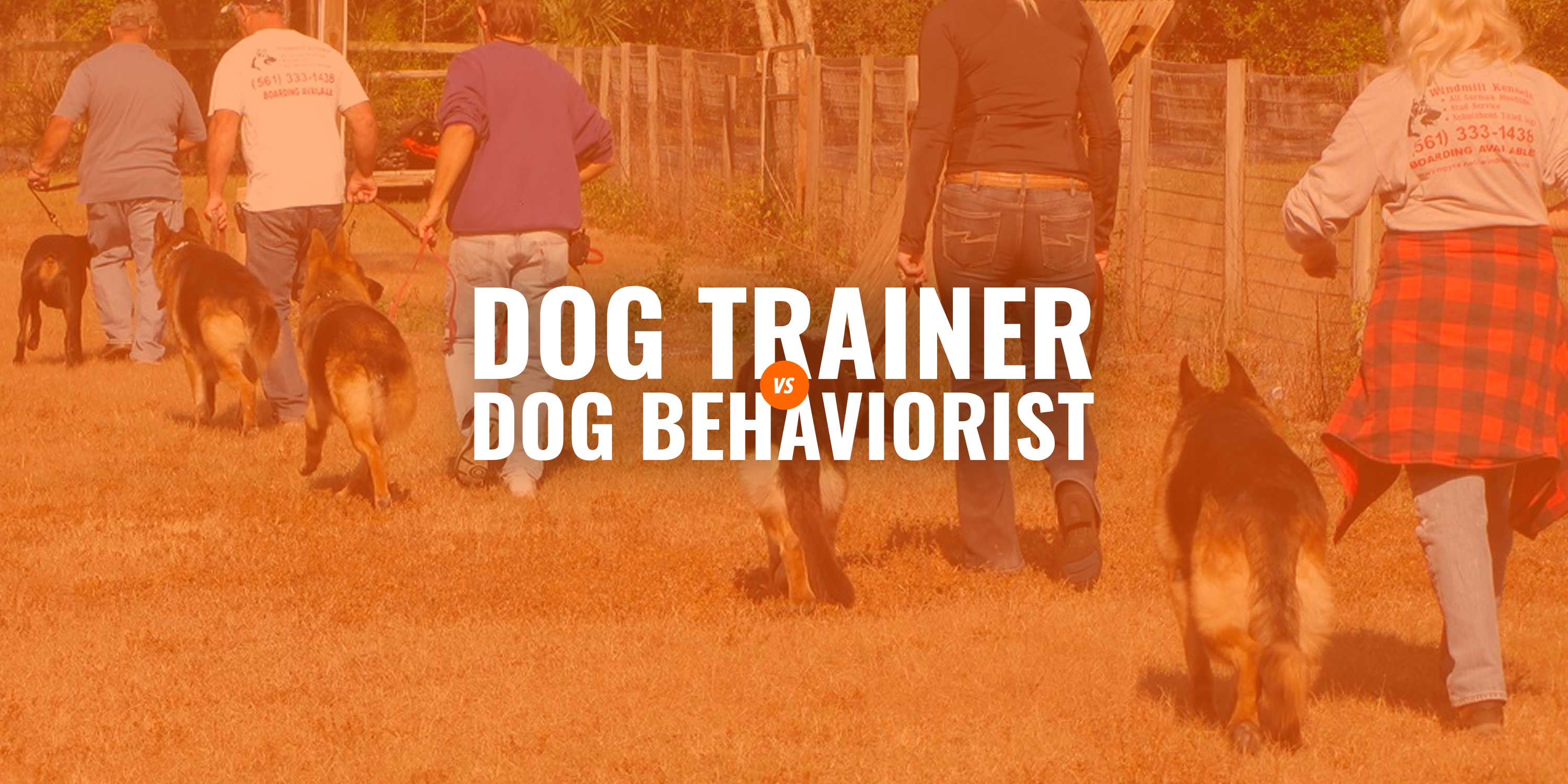
Dog behaviorist jobs encompass a diverse range of specialized roles dedicated to analyzing canine conduct, emotion, and learning theory. A professional in this field typically evaluates environmental triggers, genetic predispositions, and previous experiences to understand why a dog behaves in a specific manner. Unlike general trainers who primarily teach cues like sit, stay, or loose-leash walking, applied animal behaviorists focus on modifying internal emotional states. This distinction matters deeply when dealing with fear, phobias, or compulsive behaviors. Professionals often hold advanced academic degrees in animal behavior, zoology, or psychology, or maintain rigorous certifications through recognized organizations like the Animal Behavior Society or the Certification Council for Professional Dog Trainers. For more related activities, check out our Dog Behavior And Training.
The Impact of Behavioral Specialists on Canine Welfare
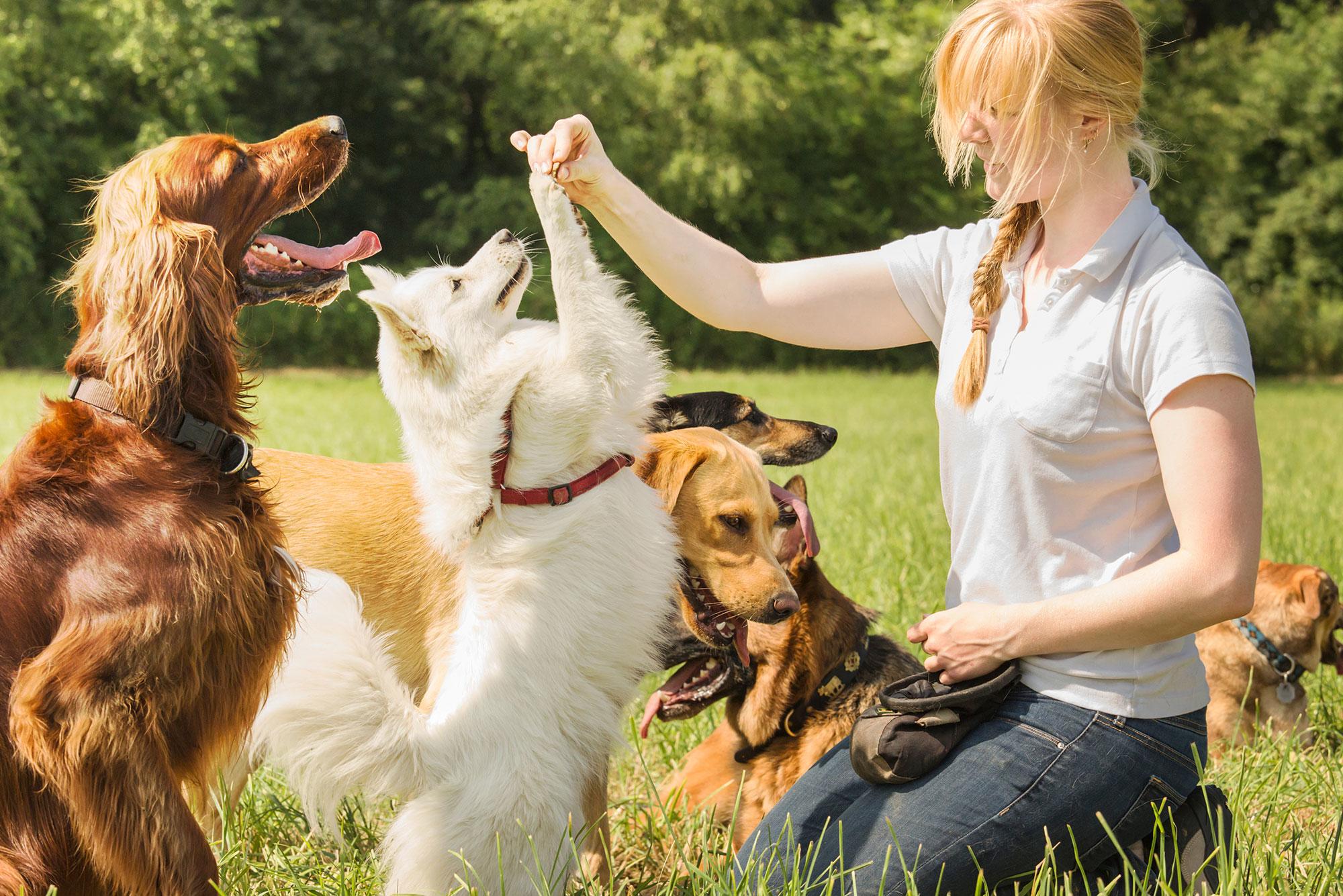
Engaging qualified behavioral professionals profoundly impacts the emotional well-being and long-term safety of domestic dogs. Chronic stress and untreated anxiety manifest in destructive habits, house-soiling, and inter-household friction that threaten the human-animal bond. By utilizing evidence-informed techniques rooted in positive reinforcement and desensitization, practitioners help animals build resilience against everyday stressors. Desensitization involves gradually exposing a dog to a trigger at a level that does not provoke a fearful or reactive reaction, while counterconditioning pairs that trigger with a positive outcome, such as high-value food rewards. This scientific framework minimizes fear, avoids punitive methods that worsen anxiety, and fosters a harmonious living environment for everyone involved.
Behavioral modifications that focus on positive reinforcement significantly reduce stress-related cortisol levels in companion animals compared to aversive training methods. — American Veterinary Medical Association
Pathways to Evaluating and Implementing Behavioral Support
Addressing canine behavioral concerns requires a structured, multi-step approach that prioritizes observation, safety management, and gradual skill-building. The evaluation process usually begins with a comprehensive history intake, examining daily routines, dietary habits, environmental changes, and specific incident triggers. Once potential drivers are identified, practitioners design individualized management plans that prevent rehearsal of unwanted actions while teaching alternative responses. For instance, management might involve blocking visual access to a street through window film for a dog that barks aggressively at passing pedestrians. Owners execute these plans consistently, tracking progress and adjusting criteria incrementally to ensure the animal never feels overwhelmed during the learning process.
Best Practices and Common Pitfalls in Behavior Modification
Successful behavioral intervention demands patience, consistency, and strict adherence to humane standards. A frequent pitfall involves rushing progress or pushing an animal past its threshold of tolerance, which can trigger defensive reactions and stall rehabilitation. Another common mistake is relying on outdated dominance theories or punitive corrections, which often exacerbate fear and destroy trust between the dog and human family members. Establishing predictable daily routines, providing mental enrichment through puzzle feeders or scent games, and celebrating small incremental successes create a stable foundation for lasting behavioral change. Prioritizing clear communication ensures the animal feels secure throughout every stage of the educational journey.
Proper behavioral socialization and environmental management during early developmental windows decrease the incidence of fear-based aggression in adult dogs. — American Kennel Club
Pet Care & Wellness Overview Table
| Life Stage | Daily Activity Level | Key Nutrition / Care Focus |
|---|---|---|
| Puppy / Kitten | High (frequent short bursts) | High-protein growth diet & early socialization |
| Adult Companion | Moderate (30–60 mins daily) | Balanced maintenance nutrition & dental hygiene |
| Senior Pets | Low to Gentle (mindful walks) | Joint support (Glucosamine) & routine vet checks |
Images References




Individual Considerations Across Breeds, Ages, and Temperaments
Every dog brings a unique combination of breed heritage, developmental history, and individual temperament to any behavioral evaluation. Working breeds with high energy or intense drive requirements may display frustration-related behaviors when under-stimulated, whereas companion breeds might show heightened sensitivity to social isolation. Age also plays a critical role, as senior dogs may experience cognitive dysfunction syndrome or physical discomfort from joint pain that alters their normal temperament and reactivity levels. Tailoring behavioral interventions to match the specific physical and psychological profile of the individual animal ensures that management strategies remain realistic, safe, and effective across all life stages.
When to Consult a Veterinary Behaviorist or Certified Professional
Persistent behavioral concerns that involve severe aggression, intense panic, self-harm, or sudden shifts in temperament warrant immediate professional intervention. For any sudden behavioral change, a comprehensive physical examination by a veterinarian is essential to rule out underlying medical pain, neurological issues, or sensory decline. When behavior problems stem from complex emotional disorders, a board-certified veterinary behaviorist (Diplomate of the American College of Veterinary Behaviorists) can provide specialized medical assessments and prescribe pharmaceutical support when appropriate. Exploring resources related to Dog Behavior and Dog Training can help owners prepare for consultations and understand what to expect during professional evaluations.
Building a Balanced Life Through Professional Guidance
Supporting a dog through behavioral challenges requires dedication, empathy, and access to reliable, science-backed information. By partnering with qualified professionals and understanding the nuances of canine psychology, owners can transform stressful environments into spaces of mutual trust and understanding. Exploring additional educational resources on Dog Health and Dog Care ensures a holistic approach to companion animal well-being. Visit PetsAnimalsWorld.com regularly to discover more expert-backed guides, practical care tips, and evidence-informed articles designed to support a healthy life for every canine companion.




