

Understanding Canine Conduct and the Role of Professional Guidance
Navigating the complexities of canine conduct often requires specialized knowledge, making the search for a qualified dog behaviorist in Newcastle an essential step for many pet guardians. According to the American Veterinary Medical Association, behavioral issues are a leading reason for pet relinquishment, highlighting the critical need for early, evidence-based intervention. When a household companion exhibits persistent reactivity, separation distress, or sudden shifts in temperament, standard obedience classes may fall short of addressing the underlying emotional triggers. Recognizing why a dog acts in a certain way transforms frustration into an opportunity for constructive support and deeper interspecies connection.
💡 Pet Care Key Takeaways:
- Core Focus: Practical health, nutrition, and wellness guidelines for Dog Behaviorist Newcastle.
- Target Scope: Pet owners, animal caregivers, and veterinary support staff.
- Best Recommendation: Maintain consistent daily routines and consult an accredited veterinarian before introducing major diet or medical changes.
Addressing these challenges effectively benefits from understanding how dogs perceive their environment and communicate distress through body language. Subtle cues such as lip licking, averted gaze, or stiffening postures often precede overt behavioral outbursts. Professional behavior specialists study these signals meticulously to design management plans that prioritize emotional well-being over quick fixes. Proper education helps bridge the gap between human expectations and canine capabilities, fostering a harmonious household dynamic built on clear communication and mutual trust.
Defining Applied Animal Behavior and Professional Specialization
A certified dog behaviorist focuses on the science of animal learning and the physiological underpinnings of complex conduct problems. Unlike general trainers who primarily teach basic obedience cues like sit, stay, and heel, behaviorists specialize in diagnosing and modifying abnormal or extreme patterns such as chronic fear, compulsive habits, and severe aggression. This distinction matters because punitive methods or traditional dominance-based techniques frequently exacerbate fear-based issues, potentially increasing danger for everyone involved. Engaging a certified specialist ensures that the strategies implemented rely on contemporary, scientifically validated principles.
The process typically begins with a comprehensive functional assessment to identify the exact antecedents—events preceding the behavior—and the consequences maintaining it. Specialists evaluate environmental stressors, daily routines, and medical histories in collaboration with veterinary professionals to rule out underlying pain or neurological conditions. By treating the root cause rather than merely suppressing the external symptoms, behavior professionals help dogs achieve long-term emotional stability and resilience.
The Impact of Behavioral Health on Overall Canine Quality of Life
Unresolved stress and anxiety exert a heavy toll on a dog’s physical health, immune system, and overall longevity. Chronic elevation of stress hormones like cortisol can lead to digestive disturbances, sleep deprivation, and a diminished capacity to cope with everyday environmental stimuli. Comprehensive Dog Health management must therefore encompass emotional wellness alongside nutritional balance and routine veterinary care. Ensuring a calm, predictable environment protects the animal from the cumulative wear and tear associated with chronic apprehension.
Behavioral changes frequently serve as the primary clinical indicator of underlying medical pain, sensory decline, or neurological dysfunction in older canines. — American Veterinary Medical Association
Furthermore, environmental enrichment plays a pivotal role in mitigating frustration-induced conduct issues. Dogs require outlets for species-specific behaviors such as sniffing, foraging, and problem-solving to maintain psychological balance. When these natural urges are consistently suppressed or ignored, destructive habits often emerge as alternative coping mechanisms. Integrating structured mental stimulation into daily routines supports robust neurological health and enhances the overall bond between the animal and the household.
Implementing Evidence-Based Modification and Humane Training Techniques
Effective behavior modification relies on systematic desensitization and counter-conditioning to alter an animal’s emotional response to specific triggers. Desensitization involves exposing the dog to a stimulus at a low intensity that does not provoke fear or reactivity, while counter-conditioning pairs that stimulus with a highly desirable reward to build positive associations. These humane, reward-based methods empower the animal to make better choices voluntarily, rather than relying on coercion or intimidation. Consistent practice under controlled conditions allows new neural pathways to form, facilitating lasting behavioral change.
Best Practices and Common Pitfalls in Behavior Modification
Success in behavior modification depends heavily on consistency, patience, and meticulous management of the dog’s physical environment. One common mistake involves exposing the animal to overwhelming triggers too quickly, which triggers a stress response and sets back progress. Utilizing proactive management—such as window films to block visual triggers or baby gates to prevent access to stressful areas—protects the animal from rehearsal of undesirable patterns while learning takes place. Clear communication among all household members ensures that rules and rewards remain uniform across every daily interaction.
Positive reinforcement training methods produce superior behavioral outcomes and foster a stronger bond compared to aversive or dominance-based protocols. — American Animal Hospital Association
Pet Care & Wellness Overview Table
| Life Stage | Daily Activity Level | Key Nutrition / Care Focus |
|---|---|---|
| Puppy / Kitten | High (frequent short bursts) | High-protein growth diet & early socialization |
| Adult Companion | Moderate (30–60 mins daily) | Balanced maintenance nutrition & dental hygiene |
| Senior Pets | Low to Gentle (mindful walks) | Joint support (Glucosamine) & routine vet checks |
Images References


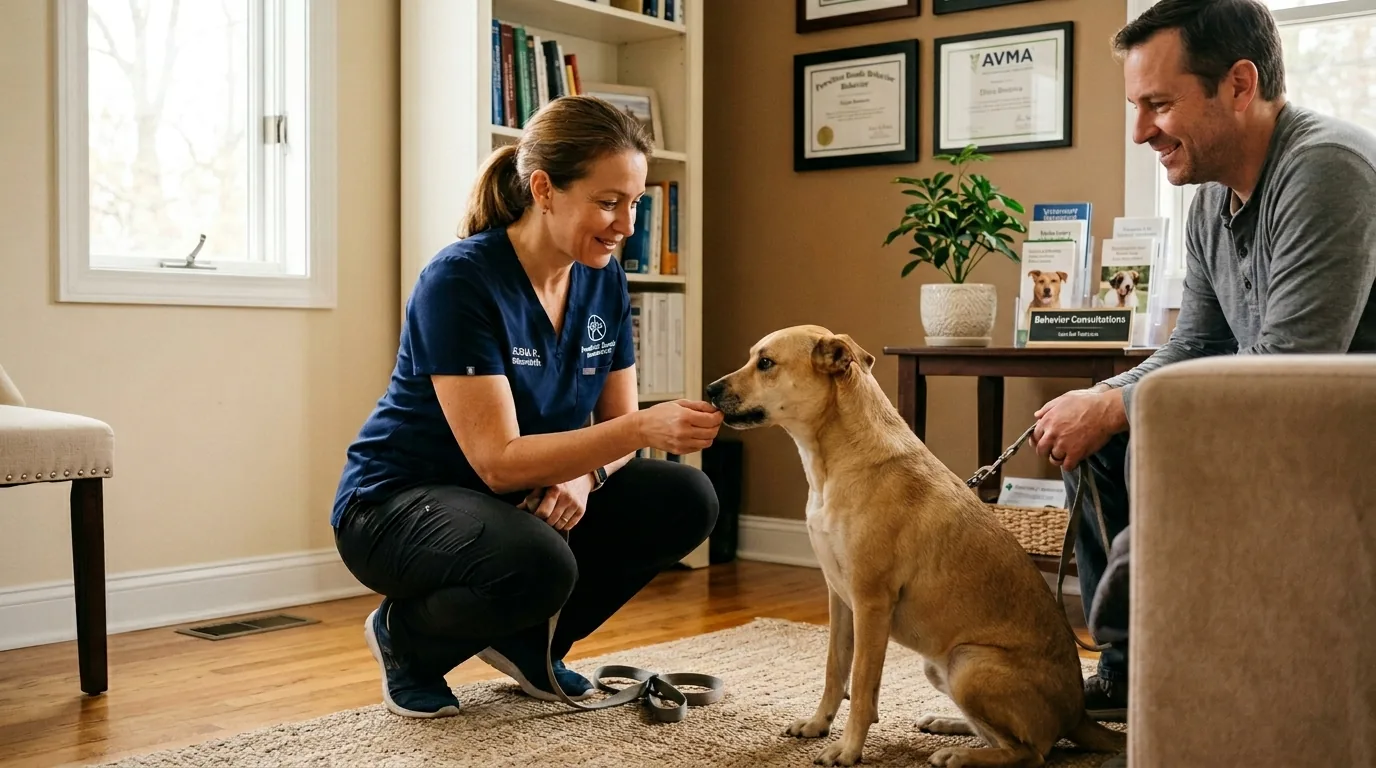





Another pitfall is expecting immediate results from complex intervention plans. True behavioral transformation requires time for the brain to adapt and for the animal to build confidence in new scenarios. Tracking progress through detailed logs helps identify subtle improvements that might otherwise go unnoticed during day-to-day routines. Celebrating small victories maintains handler morale and keeps the training journey focused on steady, sustainable progress.
Breed, Age, and Temperament Factors in Canine Conduct
Individual genetic predisposition, developmental stage, and innate temperament heavily influence how a dog reacts to the surrounding world. Herding breeds, for instance, may display intense nipping or circling tendencies if their active minds lack appropriate channels, whereas guardian breeds might exhibit heightened wariness toward unfamiliar visitors. Understanding specific Dog Breeds characteristics prevents unrealistic expectations and guides the selection of tailored management strategies. Tailoring approaches to match the biological heritage of the animal respects its natural inclinations while encouraging positive social integration.
Developmental windows, such as the critical socialization period in puppies, shape behavioral resilience well into adulthood. Lack of appropriate exposure during early life can manifest as generalized fear or defensiveness later on. Conversely, senior dogs navigating cognitive decline may exhibit disorientation or uncharacteristic reactivity requiring specialized environmental accommodations. Recognizing these age-related shifts allows pet guardians to adjust expectations and provide appropriate Dog Care tailored to each life stage.
When to Consult a Veterinary Professional or Certified Behaviorist
Immediate professional support is essential whenever behavioral concerns involve human injury, severe property destruction, or unmanageable levels of panic. Sudden behavioral shifts always warrant a thorough veterinary examination to rule out acute illness, injury, or painful inflammatory conditions before attempting behavioral intervention. For ongoing support with structured learning plans, exploring resources dedicated to Dog Training can provide valuable supplementary insights. Collaborating with qualified professionals ensures that every intervention remains safe, ethical, and grounded in sound science.
Conclusion
Navigating complex canine conduct requires patience, empathy, and a commitment to humane, science-based intervention strategies. By understanding the root causes behind specific actions and seeking qualified guidance when challenges arise, pet owners create safe and nurturing environments for their companions. Explore additional insights and resources across PetsAnimalsWorld.com to support every stage of the journey.




