

Living alongside a companion animal with complex behavioral needs requires dedicated guidance, patience, and evidence-informed educational frameworks. According to the American Society for Prevention of Cruelty to Animals (ASPCA), behavioral issues remain a primary reason dogs are relinquished to shelters, underscoring the vital importance of seeking professional guidance early. Navigating urban environments, harsh winter climates, and bustling neighborhoods presents unique daily hurdles for local residents and their dogs. When distress, reactivity, or fear disrupts the household, understanding available professional resources transforms everyday management into achievable progress. Proper education equips owners to recognize the boundary between basic obedience training and specialized behavioral modification, ensuring every dog receives the right level of support.
💡 Pet Care Key Takeaways:
- Core Focus: Practical health, nutrition, and wellness guidelines for Dog Behaviorist Minneapolis.
- Target Scope: Pet owners, animal caregivers, and veterinary support staff.
- Best Recommendation: Maintain consistent daily routines and consult an accredited veterinarian before introducing major diet or medical changes.
Understanding the Role of a Professional Canine Behaviorist
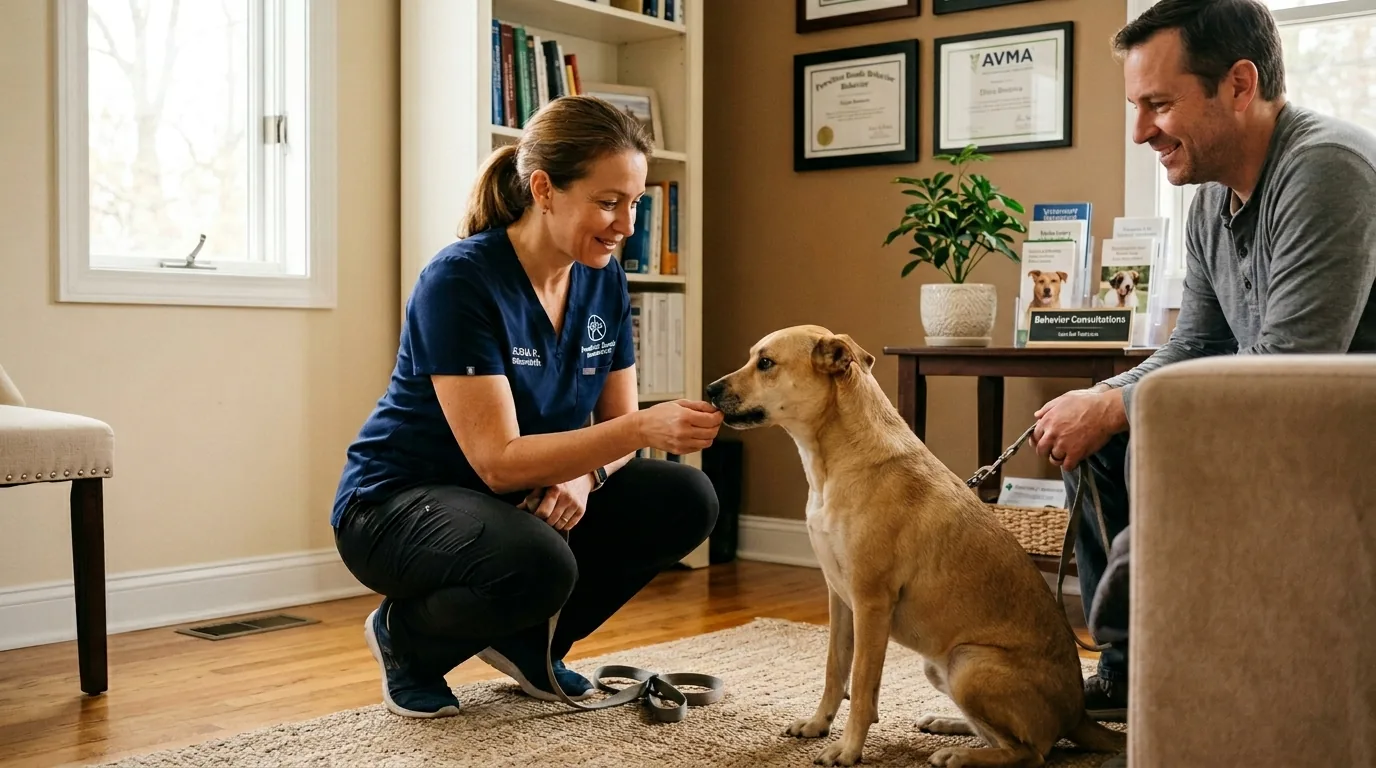
A qualified dog behaviorist in Minneapolis evaluates deep-seated emotional responses, environmental triggers, and learned patterns that drive complex conduct. Unlike traditional obedience instructors who focus primarily on basic commands like sit, stay, and heel, a behaviorist investigates the psychological and physiological roots of persistent actions such as severe separation anxiety, generalized fear, or territorial aggression. This specialization relies heavily on applied behavior analysis—the scientific study of learning and environmental influences—to implement humane, evidence-based interventions. Practitioners typically hold advanced academic degrees in animal behavior or rigorous certifications from recognized bodies such as the Animal Behavior Society or the International Association of Animal Behavior Consultants. Emphasizing positive reinforcement and systematic desensitization ensures that modifications protect the emotional well-being of the animal without relying on punitive or fear-inducing measures.
The Impact of Environment and Routine on Emotional Well-being
Environmental stressors, seasonal shifts, and daily management routines profoundly influence canine mental health and stability. Dogs residing in urban hubs often encounter dense foot traffic, loud urban noises, and restricted outdoor spaces that can heighten baseline anxiety levels. Furthermore, extreme winter temperatures in northern regions frequently curtail outdoor exercise and mental stimulation, inadvertently triggering cabin fever and destructive habits indoors. Establishing structured enrichment, predictable daily schedules, and safe resting zones mitigates chronic stress responses and fosters a secure domestic environment. Recognizing these subtle shifts in body posture, vocalization, and appetite allows caretakers to intervene long before minor behavioral quirks escalate into entrenched challenges.
Environmental enrichment and predictable daily routines significantly reduce stress hormone levels in companion animals — American Veterinary Medical Association
Implementing Structured Modification Plans Safely
Addressing persistent behavioral concerns demands a methodical approach rooted in positive reinforcement and systematic habituation. Systematic desensitization—the gradual, controlled exposure to a fear-inducing stimulus at a distance where the dog remains calm—serves as a cornerstone of modern behavioral science. Coupled with counter-conditioning, which pairs the previously feared stimulus with high-value rewards, dogs learn to associate triggers with positive outcomes instead of panic or aggression. Punitive, intimidation-based, or dominance-based techniques must be strictly avoided, as these methods heighten cortisol levels, escalate fear, and frequently worsen reactive tendencies. Progress often moves incrementally, requiring consistent execution across all household members to solidify new neural pathways and coping mechanisms.
Best Practices and Common Pitfalls in Behavioral Modification
Consistency, patience, and realistic expectations form the foundation of successful behavioral transformation in domestic canines. A frequent mistake among pet owners is rushing exposure phases, forcing an anxious dog into overwhelming environments before foundational coping skills are established. Maintaining accurate daily logs of behavioral triggers, environmental contexts, and emotional responses helps identify subtle patterns that inform future training adjustments. Utilizing Dog Training resources can bridge the gap between initial assessment and long-term household harmony. Furthermore, celebrating small milestones rather than demanding immediate perfection preserves both human and canine morale throughout the rehabilitation journey.
Positive reinforcement training strengthens the human-animal bond while effectively modifying complex conduct — American Kennel Club
Pet Care & Wellness Overview Table
| Life Stage | Daily Activity Level | Key Nutrition / Care Focus |
|---|---|---|
| Puppy / Kitten | High (frequent short bursts) | High-protein growth diet & early socialization |
| Adult Companion | Moderate (30–60 mins daily) | Balanced maintenance nutrition & dental hygiene |
| Senior Pets | Low to Gentle (mindful walks) | Joint support (Glucosamine) & routine vet checks |
Images References







Breed, Age, and Individual Temperament Considerations
Every canine exhibits a distinct behavioral baseline shaped by genetic predisposition, developmental history, and individual personality traits. Working breeds bred for high stamina and intense environmental vigilance may display herding or guarding behaviors that require specialized redirection in residential settings. Conversely, senior dogs experiencing cognitive dysfunction syndrome—akin to human dementia—often manifest confusion, pacing, or altered sleep-wake cycles that mimic purely behavioral disorders. Reviewing Dog Breeds insights helps caretakers anticipate inherent developmental drives and tailor enrichment strategies accordingly. Recognizing that age-related physical discomfort frequently alters temperament underscores the necessity of a comprehensive, multi-faceted evaluation strategy.
When to Consult a Veterinary Professional or Specialist
Severe, sudden, or escalating behavioral shifts always warrant a thorough veterinary examination to rule out underlying medical pain, neurological disease, or systemic illness. Conditions such as dental disease, osteoarthritis, and endocrine imbalances frequently manifest as irritability, fearfulness, or reluctance to engage in normal daily routines. For suspected poisoning, difficulty breathing, seizures, collapse, severe bleeding, or other potentially urgent conditions, clearly recommend immediate veterinary care as appropriate. When managing severe aggression, generalized panic, or self-harming habits, collaborating with a board-certified veterinary behaviorist ensures access to comprehensive medical diagnostics and, when appropriate, pharmaceutical support tailored to the individual animal.
Closing Guidance for Dedicated Pet Owners
Fostering a balanced, emotionally resilient companion animal requires unwavering dedication, continuous education, and a compassionate understanding of canine psychology. By utilizing professional expertise, respecting individual biological limitations, and maintaining safe management practices, owners cultivate thriving relationships built on mutual trust. Exploring Dog Behavior and Dog Care articles provides ongoing educational support for every stage of a dog’s life. Visit PetsAnimalsWorld.com to discover further expert insights, wellness tips, and practical guides designed to support responsible pet ownership every single day.




