

Understanding Canine Conduct and Professional Support in Nebraska
Addressing complex behavioral challenges in domestic canines requires patience, structured guidance, and a clear comprehension of learning theory. According to the American Society for Prevention of Cruelty to Animals (ASPCA), behavioral issues represent a primary reason animals are relinquished to shelters, making early intervention and proper education essential for household harmony. When families seek professional assistance for canine behavioral difficulties in the capital city of Nebraska, finding the right specialist becomes a critical step in fostering a safe, positive environment for both human and animal residents.
💡 Pet Care Key Takeaways:
- Core Focus: Practical health, nutrition, and wellness guidelines for Dog Behaviorist Lincoln Ne.
- Target Scope: Pet owners, animal caregivers, and veterinary support staff.
- Best Recommendation: Maintain consistent daily routines and consult an accredited veterinarian before introducing major diet or medical changes.
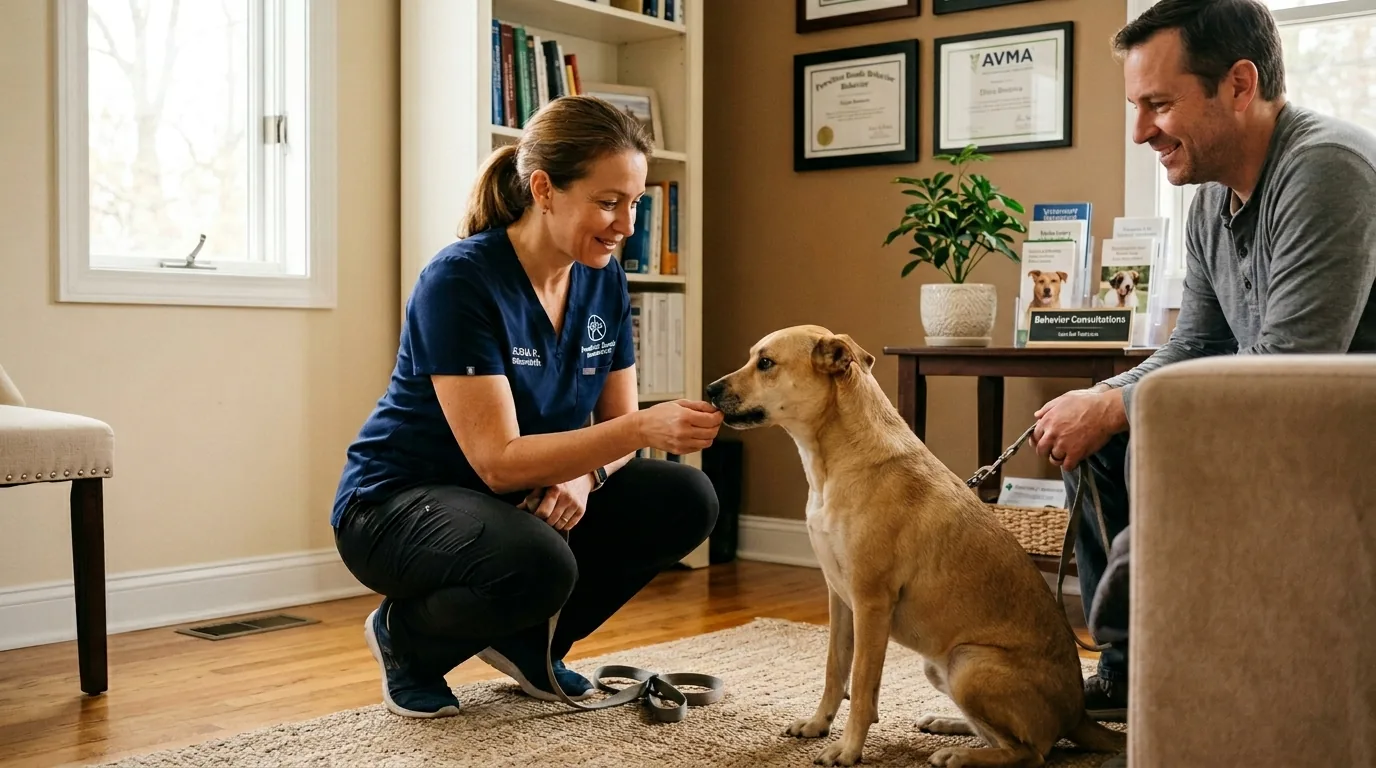
Navigating local resources for canine coaching requires understanding the distinctions among various credentials within the animal care industry. A dog behaviorist lincoln ne typically refers to a qualified professional who evaluates underlying emotional motivations, environmental triggers, and reinforcement histories that drive specific actions. Unlike basic obedience instructors who focus primarily on foundational commands like sitting or staying, behavior specialists often examine deep-seated emotional responses such as chronic fear, resource guarding, or separation anxiety.
Defining Canine Behavioral Specialization and Local Expertise
Engaging a specialist in canine conduct involves a systematic assessment of emotional states rather than merely suppressing undesirable actions through punishment. In the context of finding a dog behaviorist lincoln ne, pet owners benefit from identifying practitioners who utilize science-based, humane methodologies rooted in positive reinforcement. Operant conditioning, classical conditioning, and desensitization represent standard scientific frameworks used by qualified behavior consultants to alter emotional responses and build alternative, socially acceptable behavioral patterns.
Professional animal behaviorists typically hold certifications from reputable organizations, such as the Certification Council for Professional Dog Trainers (CCPDT) or the International Association of Animal Behavior Consultants (IAABC). Some advanced practitioners are board-certified veterinary behaviorists holding a Doctor of Veterinary Medicine degree alongside specialized residency training. Evaluating these professional credentials ensures that the guidance provided aligns with established ethical standards and modern animal welfare guidelines.
The Impact of Environment and Emotional Health on Canine Conduct
Behavioral challenges often stem from unmet physical and mental needs, chronic stress, or underlying medical discomfort that alters daily habits. For instance, sudden increases in reactivity or vocalization can be linked to subclinical pain, neurological conditions, or sensory decline. Comprehensive behavioral assessments therefore require ruling out physiological causes through thorough physical examinations before initiating any modification protocol. Exploring foundational principles of Dog Health helps owners recognize when a behavioral shift signals a medical necessity.
Behavioral problems in companion animals frequently have underlying medical components that must be evaluated by a veterinary professional before initiating behavior modification protocols. — American Animal Hospital Association
Environmental enrichment plays a profound role in stabilizing daily moods and preventing destructive habits born of boredom. Canines require structured cognitive engagement, appropriate physical exercise tailored to individual breed capabilities, and predictable daily routines. When an environment lacks adequate stimulation or introduces chronic stressors like loud noises or household tension, animals may develop stereotypies or displacement behaviors. Addressing these root environmental factors remains a cornerstone of successful professional intervention.
Implementing Humane Strategies for Lasting Behavioral Change
Modifying persistent behavioral concerns requires consistency, careful management of triggers, and the avoidance of outdated intimidation-based tactics. When working alongside a dog behaviorist lincoln ne, households learn to implement management strategies that prevent unwanted habits from being practiced while simultaneously teaching alternative responses. Counter-conditioning—changing the emotional association of a trigger from negative to positive—and desensitization—gradually exposing the animal to a stimulus at a sub-threshold intensity—form the bedrock of humane intervention.
Positive reinforcement training strengthens the human-animal bond and relies on rewarding desired behaviors rather than inflicting pain or fear. — American Veterinary Medical Association
Pet Care & Wellness Overview Table
| Life Stage | Daily Activity Level | Key Nutrition / Care Focus |
|---|---|---|
| Puppy / Kitten | High (frequent short bursts) | High-protein growth diet & early socialization |
| Adult Companion | Moderate (30–60 mins daily) | Balanced maintenance nutrition & dental hygiene |
| Senior Pets | Low to Gentle (mindful walks) | Joint support (Glucosamine) & routine vet checks |
Images References



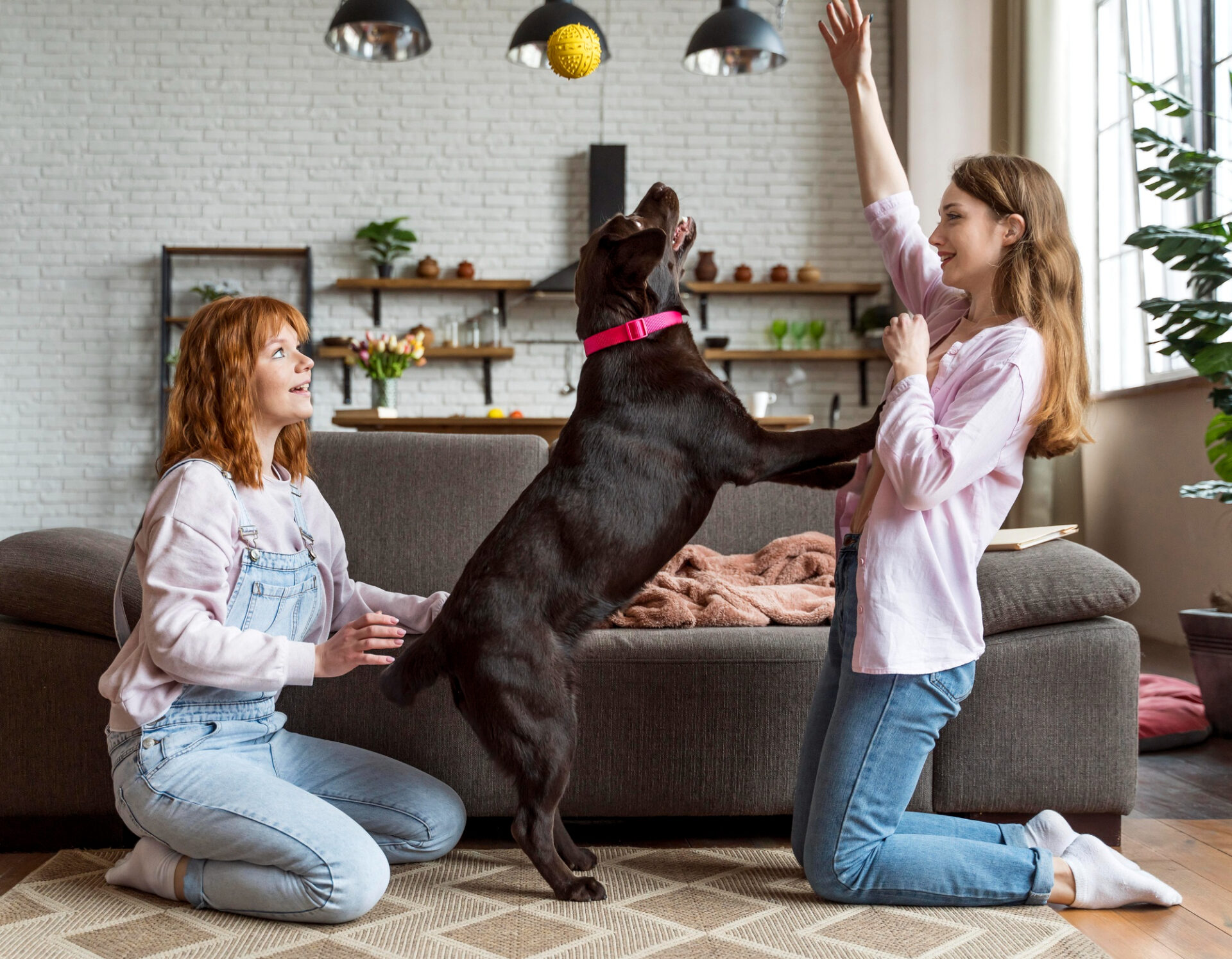
Consistency across all human family members remains vital during any modification process. Animals rely on predictable patterns and clear communication to understand expectations within a shared living space. Sudden rule changes or inconsistent responses from handlers can induce confusion and elevate anxiety levels, ultimately stalling progress. Developing a unified household approach ensures that the animal receives unambiguous signals during daily routines and structured learning sessions.
Best Practices and Common Pitfalls in Behavior Modification
Avoiding frequent mistakes accelerates the journey toward balanced companionship and prevents the inadvertent reinforcement of unwanted actions. One common pitfall involves accidentally rewarding undesirable displays through attention or high-value items, which inadvertently teaches the animal that the action yields a favorable outcome. Furthermore, applying punitive measures during episodes of fear or aggression typically exacerbates the underlying emotional distress, often increasing the frequency and intensity of defensive reactions.
Establishing realistic timelines is another crucial element for success. Complex behavioral patterns developed over years cannot be dissolved overnight; patience and incremental progress guide effective intervention plans. Owners should celebrate small milestones and maintain open communication with their chosen specialist to adjust protocols as the animal demonstrates increased confidence and emotional stability.
Breed, Age, and Individual Temperament Considerations
Every canine individual possesses a unique genetic background, developmental history, and baseline temperament that influences how they interact with the world. Working dog breeds, for example, often require substantial mental tasks to channel high drive levels constructively, whereas companion breeds might have different socialization thresholds. Understanding these nuanced traits helps tailor expectations and interventions to match the specific needs of the animal, drawing from insights found in resources dedicated to Dog Breeds.
Age also dictates appropriate learning paces and physiological capabilities. Senior canines experiencing cognitive dysfunction syndrome may exhibit disorientation, altered sleep-wake cycles, or unexpected house-soiling that mirrors behavioral issues but stems from neurological aging. Conversely, adolescent animals navigate hormonal shifts and boundless energy that require structured outlets and dedicated socialization to prevent fear-based reactivity later in life.
When to Consult a Veterinarian or Professional Trainer
Seeking immediate professional guidance is paramount when dealing with severe fear, resource guarding, unprovoked aggression, or sudden shifts in temperament. Attempting to address intense reactivity without professional oversight can compromise household safety. A comprehensive consultation with a veterinarian ensures that any underlying physical ailments are addressed, while a qualified behavioral specialist designs a safe, customized modification plan tailored to the household.
Prioritizing evidence-based practitioners who hold verifiable certifications guarantees that interventions remain humane and effective. For further guidance on nurturing a balanced relationship with a canine companion, explore additional expert resources available through Dog Training and general education pages across PetsAnimalsWorld.com to support lifelong animal well-being.




