

Understanding Canine Behavioral Health in Pennsylvania Communities
Behavioral health remains a cornerstone of overall animal wellness, directly influencing how domestic canines navigate daily routines within human households. According to the American Society for Prevention of Cruelty to Animals (ASPCA), behavioral issues are among the primary reasons owners relinquish companion animals, highlighting the profound need for accessible, science-based intervention. Families seeking guidance for persistent challenges often find themselves navigating a complex landscape of regional support, needing reliable professionals who understand both canine psychology and local husbandry practices. Establishing a secure foundation for domestic pets requires recognizing that actions such as excessive vocalization, reactivity, or destructive chewing are rarely driven by spite, but rather by underlying emotional triggers, environmental stressors, or unmet physical needs.
💡 Pet Care Key Takeaways:
- Core Focus: Practical health, nutrition, and wellness guidelines for Dog Behaviorist Lancaster Pa.
- Target Scope: Pet owners, animal caregivers, and veterinary support staff.
- Best Recommendation: Maintain consistent daily routines and consult an accredited veterinarian before introducing major diet or medical changes.
Defining the Role of a Professional Dog Behaviorist Lancaster PA
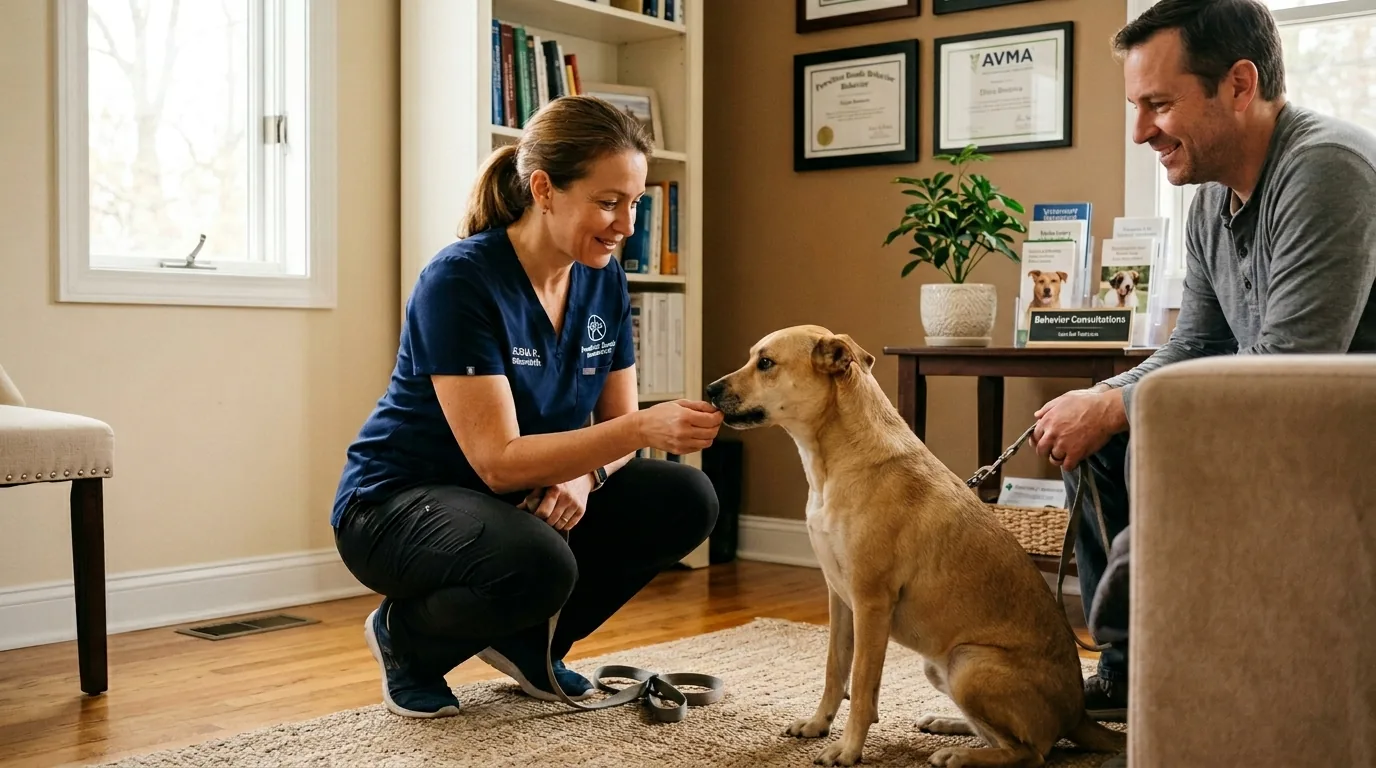
A qualified dog behaviorist Lancaster PA practitioner specializes in diagnosing and modifying complex psychological challenges that extend beyond basic obedience training. While standard trainers typically focus on teaching foundational cues like sit, stay, and heel, certified behaviorists examine the root causes of intense fear, generalized anxiety, resource guarding, and human-directed aggression. These professionals utilize applied behavior analysis—the scientific study of environmental influences on actions—to develop structured modification protocols. By assessing motivational drives, stress thresholds, and reinforcement histories, a specialist helps human guardians decode subtle canine communication signals before minor anxieties escalate into dangerous bite incidents or severe distress. For more related activities, check out our Dog Behaving Badly.
The Impact of Unresolved Behavioral Stress on Canine Wellness
Chronically elevated stress hormones, such as cortisol and adrenaline, significantly impair a domestic animal’s physical health, immune response, and cognitive functioning. Dogs experiencing persistent fear or frustration frequently display physiological symptoms, including gastrointestinal disturbances, dermatological issues stemming from compulsive licking, and disrupted sleep cycles. Furthermore, living in a constant state of hypervigilance strains the human-animal bond, occasionally leading to compromised household safety. Addressing these challenges through evidence-based modification safeguards both mental and somatic stability, allowing animals to experience a calmer, more predictable daily existence.
Behavioral modification rooted in positive reinforcement successfully reduces fear-based reactivity by altering the animal’s emotional response to specific triggers. — American Veterinary Medical Association
Implementing Humane Modification Strategies for Complex Challenges
Successful behavioral intervention relies heavily on systematic desensitization and counter-conditioning, techniques designed to gradually change an animal’s emotional association with intimidating stimuli. Systematic desensitization involves exposing the dog to a trigger at a low intensity that does not elicit a fear or aggressive response, while counter-conditioning pairs that same trigger with a highly motivating reward, such as exceptional food or play. This dual approach ensures that learning occurs in a low-stress environment. Guardians must remain patient, recognizing that true cognitive and emotional shifts take time, consistent execution, and careful management of the surrounding environment to prevent accidental rehearsal of unwanted actions.
Best Practices and Common Pitfalls in Behavior Modification
Avoiding punitive measures, physical reprimands, and intimidation-based techniques is paramount, as these methods consistently elevate fear and increase the risk of defensive aggression. Instead, focus heavily on proactive management—such as using baby gates, opaque window film, or leash attachments—to prevent the dog from encountering overwhelming scenarios while training is underway. Another frequent error involves rushing progress; pushing an animal too close to a stressor before building adequate resilience often triggers a setback. Maintaining clear communication, rewarding calm approximations, and honoring the individual animal’s learning pace yields the most reliable, long-lasting behavioral improvements.
Environmental management and proactive trigger avoidance are critical components of any successful canine behavioral treatment plan. — Certification Council for Professional Dog Dog Trainers
Pet Care & Wellness Overview Table
| Life Stage | Daily Activity Level | Key Nutrition / Care Focus |
|---|---|---|
| Puppy / Kitten | High (frequent short bursts) | High-protein growth diet & early socialization |
| Adult Companion | Moderate (30–60 mins daily) | Balanced maintenance nutrition & dental hygiene |
| Senior Pets | Low to Gentle (mindful walks) | Joint support (Glucosamine) & routine vet checks |
Images References






Breed, Age, and Temperament Considerations in Behavior
Individual genetic predisposition heavily influences how a canine perceives and reacts to modern domestic environments. Working and herding lineages, for instance, often retain intense motion-sensitive or task-oriented drives that can manifest as compulsive circling or barrier frustration if unfulfilled. Similarly, developmental stages—ranging from the critical puppy socialization window to adolescent hormonal surges—significantly alter reactivity thresholds. Evaluating a dog through the lens of breed heritage and life stage ensures that behavior modification plans remain realistic, respectful of natural instincts, and tailored to the unique physiological profile of the individual animal.
When to Consult a Veterinarian or Professional Behaviorist
Sudden shifts in temperament, uncharacteristic reactivity, or new elimination habits warrant an immediate veterinary examination to rule out underlying medical conditions, pain, or neurological issues. Chronic discomfort, such as dental disease, osteoarthritis, or gastrointestinal distress, frequently presents as behavioral volatility long before overt physical symptoms appear. For persistent, deeply ingrained challenges like severe separation anxiety, phobias, or human-directed aggression, pet owners should seek out a board-certified veterinary behaviorist or a credentialed professional with rigorous, humane qualifications. Collaborative care between primary veterinarians and specialized behaviorists ensures a comprehensive approach to the animal’s overall welfare.
Finding the appropriate guidance within central Pennsylvania involves researching credentials carefully, ensuring that chosen practitioners rely exclusively on humane, science-based methodologies. Collaborating with knowledgeable local professionals helps bridge the gap between complex psychological theory and everyday household management. Pet owners dedicated to continuous learning can explore valuable insights across multiple domains of animal husbandry. Discover more guidance on Dog Behavior, explore specific traits through Dog Breeds, review fundamental practices in Dog Care, and maintain holistic well-being with resources from PetsAnimalsWorld.com to ensure a thriving, balanced life for canine companions.




