

According to the American Society for the Prevention of Cruelty to Animals (ASPCA), mouthing and exploratory biting are completely normal developmental behaviors for young canines learning to interact with their environment. Bringing a new canine companion home brings immense joy, yet it frequently introduces unexpected challenges like sharp puppy teeth sinking into skin, clothing, and furniture. Across daily practice rooms, professional behaviorists constantly meet exhausted caregivers searching for a quick fix to curb this natural exploration. Quick deterrents often promise instant relief, leading many households to consider misting devices. However, digging deeper into canine psychology reveals that utilizing a spray bottle to stop puppy biting often backfires, creating unintended emotional fallout rather than lasting behavioral change.
💡 Pet Care Key Takeaways:
- Core Focus: Practical health, nutrition, and wellness guidelines for Spray Bottle To Stop Puppy Biting.
- Target Scope: Pet owners, animal caregivers, and veterinary support staff.
- Best Recommendation: Maintain consistent daily routines and consult an accredited veterinarian before introducing major diet or medical changes.
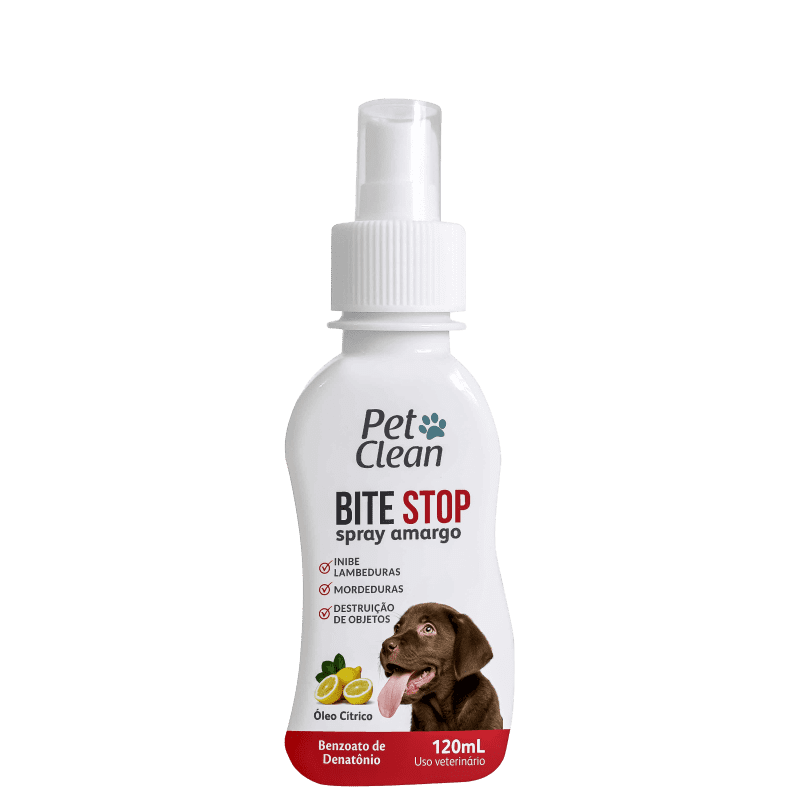
A spray bottle to stop puppy biting relies on an aversive training method that sprays water or a diluted vinegar mixture directly at a dog’s face.
Aversive techniques involve applying an unpleasant stimulus immediately following an unwanted behavior to decrease the likelihood of that behavior repeating in the future. In the context of a spray bottle to stop puppy biting, the sudden burst of liquid aims to startle the animal, interrupting the ongoing mouthing sequence. While this may temporarily halt the action, understanding the mechanics of how canines learn is essential before adopting such tactics. Canines do not process punishment the way humans do; instead of connecting the water stream to the act of biting, many young dogs simply learn to fear the hand holding the device or associate the human with sudden, unpredictable threats. For more related activities, check out our Iaabc Dog Behavior Welfare Enrichment Training Resources.
Relying on sudden startling techniques can severely damage the trust between a developing canine and the caregiver.
Introducing fear into the learning process often triggers defensive responses rather than teaching appropriate impulse control. In professional behavior consultations, startled puppies frequently exhibit avoidance behaviors, cowering, or defensive aggression when hands move quickly near their faces. Furthermore, operational conditioning principles show that startling devices fail to teach what the animal *should* do instead. When a household relies on a spray bottle to stop puppy biting, the underlying emotional state of the animal shifts toward anxiety. Consequently, a fearful puppy is much harder to socialize and train effectively, as stress impairs cognitive function and learning capacity.
Punishment-based interventions frequently elevate stress hormone levels and heighten anxiety in young dogs. — American Animal Hospital Association
Implementing positive reinforcement and structured redirection offers a much more effective pathway to eliminate unwanted mouthing.
Positive reinforcement training focuses on rewarding desired behaviors while safely managing or ignoring unwanted ones to shape long-term habits. Instead of reaching for a spray bottle to stop puppy biting, proactive handlers keep appropriate chew toys readily accessible in every room. When sharp teeth make contact with human skin, the best response is a quiet, immediate withdrawal of attention, such as standing completely still and folding arms. This mimics how littermates react when play gets too rough, effectively teaching the animal that biting makes fun things go away. Once calm, the puppy receives immediate praise and a proper toy to chew on, reinforcing the correct choice.
Avoiding common pitfalls ensures that the teaching process remains clear, consistent, and free of confusion.
Consistency stands as the absolute foundation of successful canine education, requiring every member of the household to respond to mouthing identically. Inconsistent reactions—such as laughing at a small nip one day and punishing it with a spray device the next—only confuse the developing animal. Additionally, handlers must avoid accidentally turning the interaction into a game by squealing, waving hands, or running away, which mimics prey movement and stimulates further chasing and biting. Setting realistic expectations is equally vital, as teething discomfort can cause temporary regressions in even the most well-managed training plans. Providing cold, veterinarian-approved chew items can alleviate gum soreness without introducing fear-based corrections.
Consistent application of positive redirection significantly accelerates the reduction of exploratory mouthing in juveniles. — Association of Professional Dog Trainers
Pet Care & Wellness Overview Table
| Life Stage | Daily Activity Level | Key Nutrition / Care Focus |
|---|---|---|
| Puppy / Kitten | High (frequent short bursts) | High-protein growth diet & early socialization |
| Adult Companion | Moderate (30–60 mins daily) | Balanced maintenance nutrition & dental hygiene |
| Senior Pets | Low to Gentle (mindful walks) | Joint support (Glucosamine) & routine vet checks |
Images References




Individual breed traits, age milestones, and individual temperament dictate how quickly a canine matures past the mouthing stage.
Working and herding breeds often possess higher genetic predispositions for using their mouths to control movement, requiring dedicated outlets for their energy. Age also plays a critical role, as the peak teething window typically occurs between four and six months of age when deciduous teeth are replaced by permanent ones. During this vulnerable period, gentle handling and appropriate management are paramount to prevent long-term behavioral sensitivities. Understanding these distinct traits allows caregivers to tailor their approach, ensuring that training methods match the specific emotional and physical needs of the individual animal.
Consulting a certified professional or veterinary behaviorist becomes necessary if mouthing escalates into true aggression or unmanageable fear.
General management techniques and positive redirection should successfully reduce normal developmental mouthing as the animal matures into adulthood. However, if biting is accompanied by stiff body posture, growling, snapping, or unprovoked attacks, professional guidance is strongly recommended. A certified professional dog trainer or veterinary behaviorist can assess the underlying motivations behind the behavior, ruling out underlying pain or medical issues. Seeking expert advice early prevents minor behavioral hiccups from developing into severe aggression challenges down the road.
Fostering a trusting, communicative relationship built on positive methods ensures a harmonious home for both humans and their four-legged companions.
Navigating the puppy stage demands patience, consistency, and a deep understanding of canine communication. Abandoning punitive tools like water misters in favor of clear guidance allows young dogs to build confidence while learning proper manners. For further guidance on fostering positive relationships, explore the comprehensive resources available at PetsAnimalsWorld.com, including expert-backed articles on Dog Behavior, foundational Dog Training, essential Dog Care, and valuable insights into various Dog Breeds.




